
scapular dyskinesis · Shoulder Surgery

Shoulder Surgery Chronicles: Chapter 6: Heading Home and The First Few Days of Recovery

Photo by Darrell Gough

Finally free as a bird with one dicked-up wing. “Fly like an eagle…to the sea. Fly like an eagle, let my spirit carry me.” Yeah, right. More like a lyrebird with a bandaged wing. In case you didn’t know, they are very awkward flyers, and thus spend most of their time on the ground. You can read more about them here.

Anyway, on my way home I unfortunately felt every bump, dip, sharp curve, and too-fast braking. However not nearly as awful as it could have been, as my husband happens to be one of the best drivers I’ve ever seen or had the pleasure of riding with. He expertly handled the winding country roads for the last half hour of our trip as gently yet efficiently as he could.

Roads like these always seemed like so much fun to travel on. Truth be told, they absolutely are…just not when you’re in severe pain or nauseous. I still highly recommend taking the “scenic routes” wherever you reside at least once. The experience of driving through beautiful countryside is thrilling, peaceful, and highly enjoyable.

Naturally, the nausea kept coming in waves, though thankfully I did not actually vomit. That would have hurt like a mother effer. The pain on the way home, however, was quite fierce. I found myself wishing they would have sent me home with some one-time use ice packs. I may have to mention that in the patient experience survey.
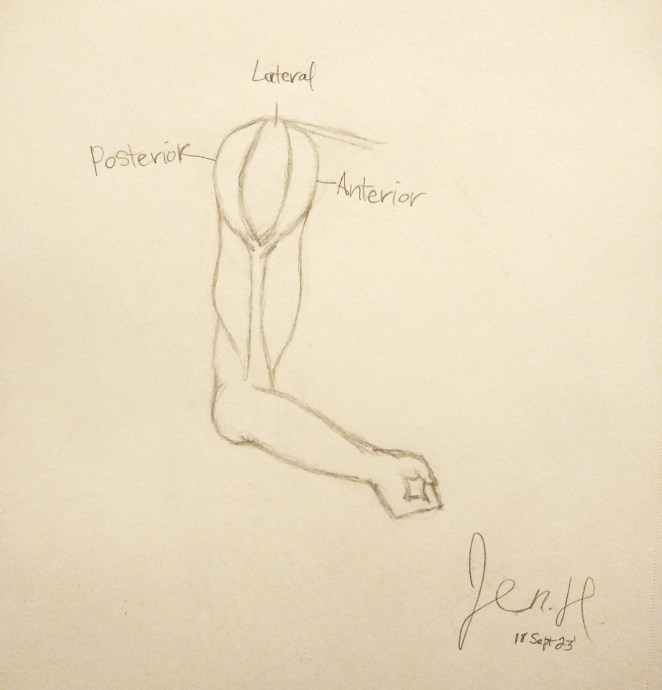
Oddly enough, most of my pain wasn’t at the incision site. Neither was it located at the target area where he worked his magic to mend the musculature in my shoulder blade. Instead, it manifested in the shoulder joint, predominately on the anterior and lateral sides (see above diagram). In those spots, it felt like somebody took a hammer to it, and left a big screwdriver in there.

The rest of the day was difficult, with drifting in and out of sleep, keeping the nausea at bay, and controlling the pain as best as I could. The pain meds, muscle relaxers, and ice packs were my best friends, and the only way I slept at all that night. The nighttime was equally unyielding, sleeping only one to two hours at a time on average.

DAY 2 of RECOVERY:
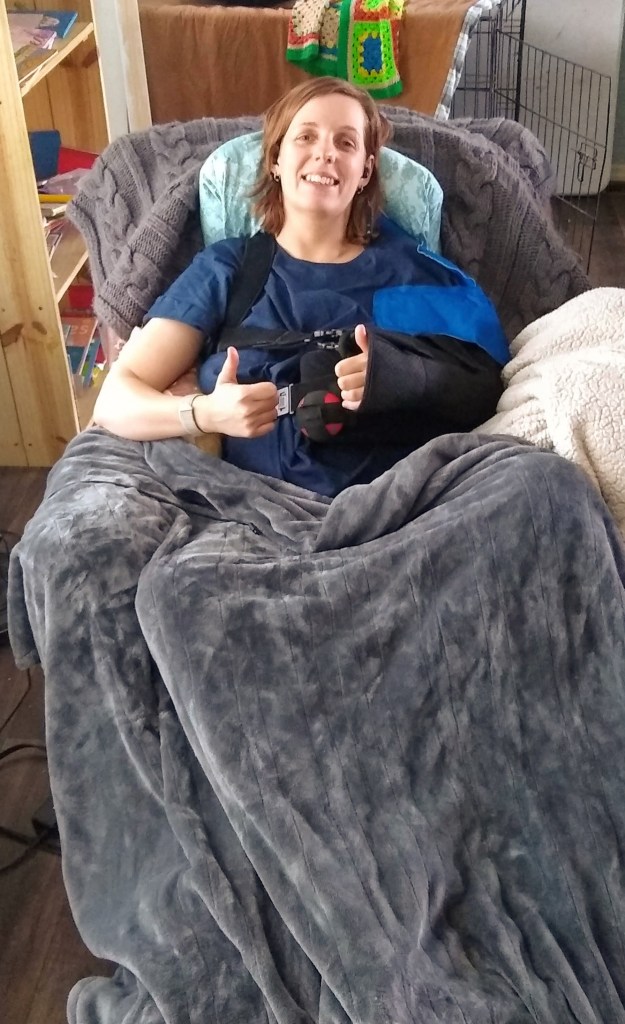
By morning, however, the dark clouds of agony had cleared a little. I felt stiff and sore, despite moving my elbow joint and flexing my hand periodically as I was supposed to. At any rate, I was still significantly better off than I was the day before.

To my pleasant surprise, both a recovery nurse and Dr. Grantham’s Physician Assistant called to check on me today, as well as to provide me further instructions for the days to follow. Even in the throes of the worst of the pain, I still feel that this was the right decision, and I’m glad that I did it. I know it will all be worth it in the end.

If you can’t tell, those pain meds are working wonders right now.

DAY 5 of RECOVERY:

I finally got to take a shower today, YAY! It was challenging and awkward, but I managed. Between a washcloth, a loofah, and a shower chair, mission accomplished. It’s worth mentioning that the shampoo and conditioner bars I switched to a few months ago made washing my hair one-handed remarkably easier than using standard liquid shampoo. Unexpectedly, toweling off afterwards proved more challenging than showering.

It is definitely a strange feeling being stuck at ninety degrees (and lower) range of motion with that arm…somewhere between having a robot arm and a ragdoll arm. Besides that, the whole area is still achy and sore, although much more tolerable than the first few days. I’ve graduated to managing the pain with only NSAIDs, muscle relaxers, and ice at the moment. I’m thankful for that, because I am not a fan of the side effects.

Not to mention the pain in the neck it is to get narcotic pain medications at all (yes even for surgery), much less a refill, thanks to the knee-jerk policies of our government. Meeting at a commonsense middle-ground between sustaining patient care and avoidance of bolstering opioid addiction numbers never quite seems to be within their grasp.
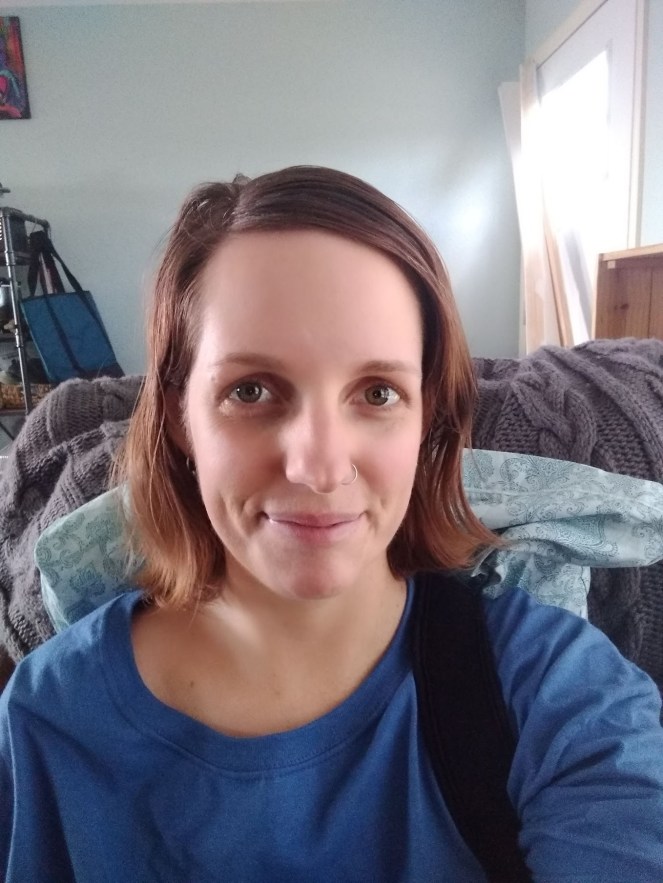
I finally have some color back in my cheeks and I am not so ragged-looking!

It’s like, “Excuse me, I don’t want to take this crap in the first place, but I’m having surgery, and would rather not be in extreme pain waiting for it to be filled. Yes, I am well aware I have not had the surgery yet, but I prefer a proactive approach, rather than having to send my caretaker back out for it when I need them by my side. By handling it myself beforehand, I save us both a great deal of hassle.”

I find having to explain all of that and justify why I need them at all, particularly beforehand, absurd. That is what my doctor is there for, a practicing surgeon. If that doesn’t clue the powers that be in for the need, feel free to call the clinic, who will then tell you that yes, I am indeed scheduled for surgery, and will be in a f*#kload of pain when I wake up. Painstaking as the process of getting these medications filled may be, I know it’s not the pharmacy’s fault. They didn’t make the rules, they are just forced to follow them.

DAY 6 of RECOVERY:  WORST NIGHT OF SLEEP SO FAR…

As was the routine, I felt snuggled up with all the pillows and soft warm blankets, all settled in when I shut off the light, eyes and mind too tired to keep reading. Or so I thought. Then the restless legs began. If you have never experienced that sensation, it’s like a reflex test at the doctor, but in your calves, and constant.

The urge to move your legs is irresistible and involuntary, a feeling like you need to kick something or sprint across the yard. It’s hard to explain but very uncomfortable and definitely not something you want to experience when exhausted and trying to sleep.

At this point, I thought of my friend Brittany, who has early onset Parkinson’s disease. She once described a similar sensation of not being able to stop her legs from involuntarily moving caused by dystonia related to her Parkinson’s. My heart filled with sympathy for her all over again.

With the aid of my handy walking stick, I have been walking daily. Short bursts in the house at first. It’s a healthy distraction from the pain and helps with the boredom. Apparently, experts agree that walking also aids in recovery and helps prevent post-surgical complications such as blood clots.

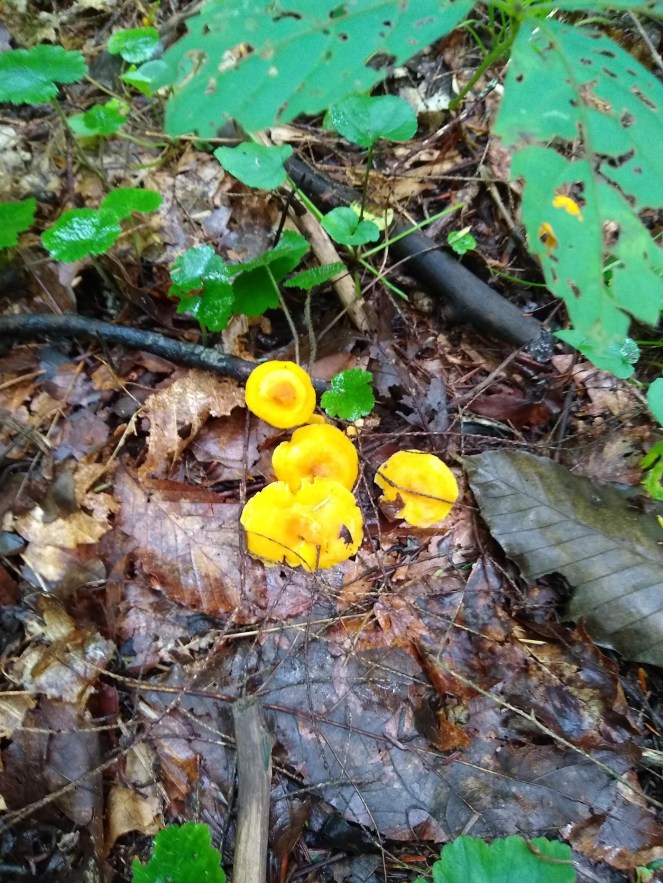
By day 3 or 4, I was walking outside, increasing the time and distance each day. It was quite tiring in the beginning, but this light exercise definitely sped up my recovery and gave me a much-needed mental health boost. I began looking forward to my daily walks embracing the birdsongs, studying mushrooms I found, the smells and scenery of the forest. I suppose that is one of the best things about living in the middle of nowhere, Kentucky.
So, I knew the restless legs weren’t occurring due to lack of physical activity. I also ruled out any of the medications I was taking as the root cause. I drink caffeine in moderation, only one mug each morning upon waking. So what gives?

My theory is that my body declared, “I’m not sleeping in that damn chair anymore. And um, hello, did you forget you are not a back sleeper?!” and I was like, “Well ok, but couldn’t you have said something earlier in the evening? Possibly before my husband (and caretaker) went to bed himself, perhaps? Now what the flip are we going to do???”

I tried walking, stretching, massaging, and exercising my restless legs with calf raises. That combination seemed to help so I crawled back in the chair, piled my blankets back on, and tried once again to sleep. Next came the back pain. The muscles in my back suddenly spasmed and the ache was particularly intense around my kidneys and middle back. It’s similar to the cramping that can occur in that area as a result of sleeping for too long of a stretch.

“Not being able to sleep is terrible. You have the misery of having partied all night… without the satisfaction.”

-Lynn Johnston, Canadian Cartoonist

It’s as if your body says, “We’ve slept quite enough, thank you. Here’s some back pain to motivate you to get the hell out of bed, NOW.” Except I hadn’t had any sleep. I wrestled about (gently) for an hour or two more, at which point I felt the urge to get up again. Let’s try the couch, I thought.

Seemed like an easy way to test out if I was ready for side sleeping on the uninjured arm. I didn’t want to be bothering the hubs or moving all 6 pillows, water, and eye mask to the bedroom one-handed, in the dark, without knowing for certain.

Thus, I placed a pillow under my injured arm, one under my head, and threw on a warm sherpa throw blanket (yes it is as lovely as it sounds, you should totes muh-goats get one). Almost instantly after getting situated for my experiment, I passed out into a halfway sleep. A far sight better than previous attempts, I considered this a success.

Around 5 a.m. my husband awoke, and after giving him a brief synopsis of my sleep struggles, I awkwardly climbed into bed. He helped me with the covers, and I was out like a light bulb. I slept a deep, dreamless sleep for about 3 hours.

While 3 hours is certainly not much and a far cry from the recommended 7-9 hours, I felt grateful for those few precious hours over none at all. Besides, I thought, I can always squeeze in a nap today if needed. My only focus right now is healing and listening to my body (and my surgeon’s instructions).

This includes resting when I need to, whether I want to or not. I find that at this point, even when I do achieve a decent night’s sleep, I still need an afternoon siesta. Many times, I conk out hard enough during these naps to reach REM, resulting in some weird, eccentric dreams. That may be partly due to the meditation channel (see below) I’ve been plugging into during those naps, in hopes of preventing my family’s daily noises from disturbing my rest.

I guess I wasn’t expecting this part to be so challenging. I wasn’t prepared for my body to reject the position or location of sleep so early on. Maybe this is a good sign that I am healing well and swiftly. It sucks that I must be in this sling for 36 more days. Yes, I am counting down the days. I have found this to be helpful many a time when traversing something difficult, going through a hard time, or just feeling stuck in life.

Whether that calls for breaking up a tough time into measurable chunks with things to look forward to, or breaking up a long-term goal into smaller ones…I find it is always helpful. In example, the journey to get this shoulder surgery took 3 years of concentrated effort. Being that it was not the only medical puzzle I was trying to solve during those three years, it was hard. But mapping a path forward for reference, made it more bearable.

However, in the throes of recovery, it is also important to celebrate even small wins. For example, I figured out how to button my husband’s jacket over my sling one-handed today! It doesn’t seem like much, but it is a small victory to me. While I understand the necessity of asking for help sometimes, I relish being able to do things for myself.

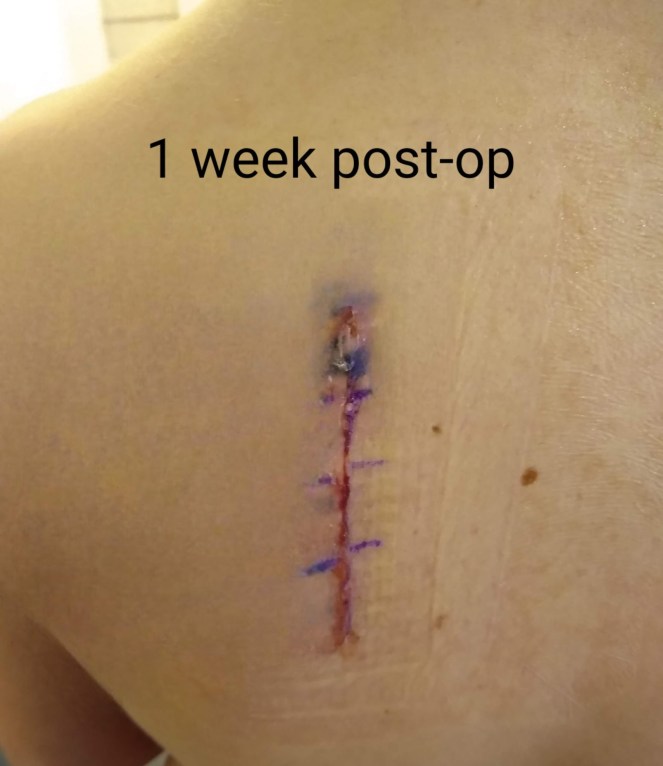
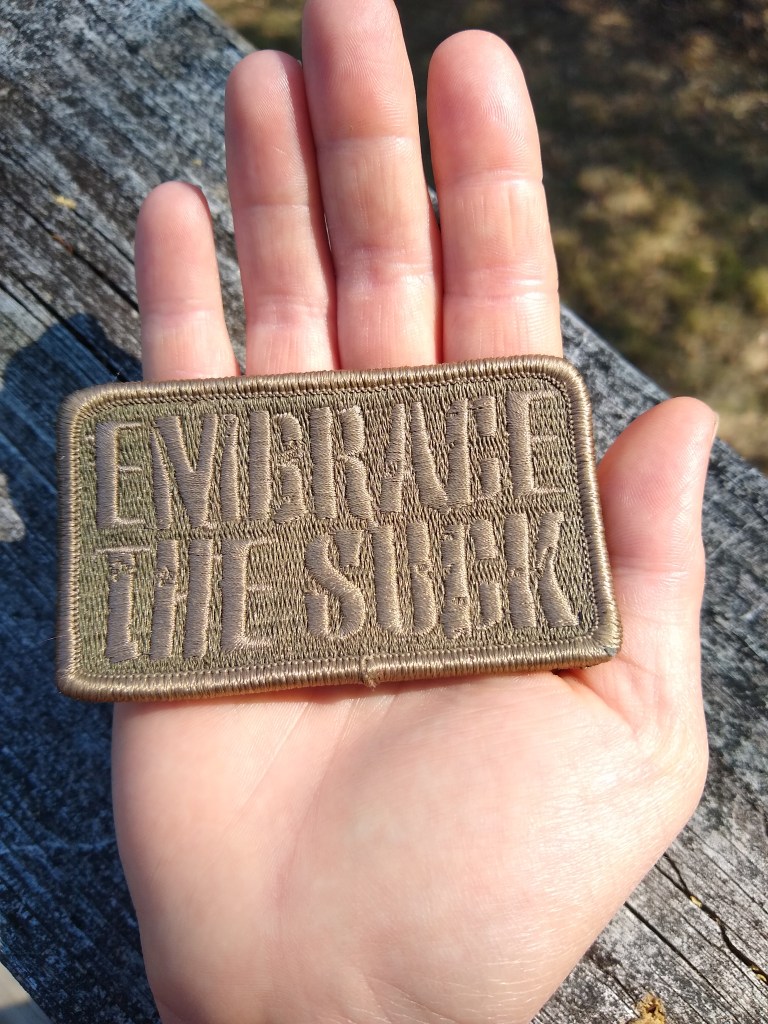
For another small win, I am nearly entirely free of needing pain medication, including the muscle relaxers and ibuprofen. My doctor may still want me on anti-inflammatories for healing purposes, but I’m celebrating hardly needing them for pain anymore! I do not like taking pills. Better still, I have finally made it through the first week of recovery! Here’s a look at how I am healing!
scapular dyskinesis · Shoulder Surgery

Shoulder Surgery Chronicles: Chapter 5: Surgery Day!

Part 1: The Journey to the Surgery Center

As my husband and I are driving to the surgery center, I am brimming with anxious optimism. I know that today is going to change my life. It’s a funny feeling, as though these past three years I’ve been waiting for my life to begin anew. Glum as it may sound, all I could do until now was survive. Keep fighting for answers and the quality of life I deserve. Relish the fleeting moments of happiness wherever I find them…just hold on.

My husband’s idea of support, LOL.

Do the legwork, work through the emotional turmoil of that process, endure each disappointment. Continue putting one foot in front of the other. My stubborn refusal to give up, and the steps I have taken the past three years has led me to this victory.

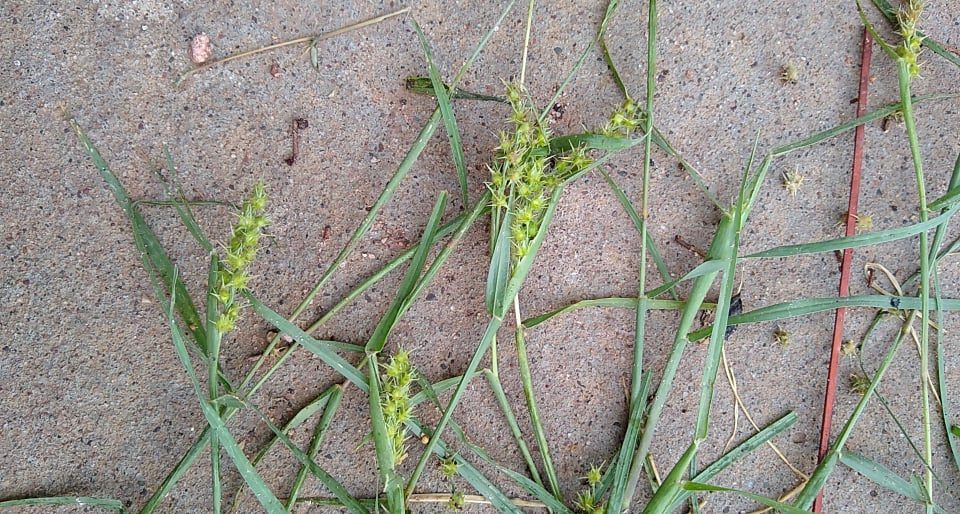
Buying a house in this particular part of Kentucky was part of that, putting me near the medical professionals I needed. Although I suppose part of that was luck, what with shopping during the ludicrous post-pandemic housing fever. Sure, we wanted to leave the Southwestern desert badly, aching to see something green and alive instead of dead and/or stabby. Seriously, even the grass has teeth there. See for yourself:

We craved land to frolic about and find peace in, and cleaner air and water. It fit our family and basic parameters, and was the first place we managed to get an offer in that was accepted. Nevertheless, I can’t help but feel it was meant to be.

Oddly enough, the doctor I ended up needing wasn’t the one I was seeking when we bought a house here. I ventured to KY with a referral to Dr. Brent Morris. What we didn’t know at the time, was that Dr. Morris wasn’t “the guy.” (His words) By another beautiful stroke of luck, the doctor he referred me to also happened to be located in Lexington, KY.

To my knowledge, Dr. Grantham happens to be the only practicing surgeon in the world that has the knowledge, skills, and expertise required to fix my shoulder the correct way. Secondly, he is the only physician (to my knowledge) who partners with a physical therapy clinic familiar with the intricacies of this condition, and how to rehab it properly.

All of this combined is simply too much for me to accept as mere coincidence. Though I do not consider myself to be a superstitious person, I can’t help believing this is fate. I cannot simply dismiss such a mountain of proof. When all of these pieces suddenly and effortlessly fell into place, it became crystal clear to me why I am here.

I am here in this part of Kentucky to get my shoulder fixed properly, by the right expert hands, so I can finally move on with my life. I have the best physical therapist for the job to guide me through recovery. Pain be damned, I am happy beyond measure, thrilled to every fiber of my being, to be unstuck.

Photo by Engin Akyurt, Edited by Jen H @musecalmind.com

Part 2: Game Time

My pre-op nurse Jennifer was truly amazing! She explained everything so well, in so much detail, that I hardly had any questions. She took great care of me, including comic relief! She kept calling the blue hat I had to put on my “party hat,” and calling the sedative medications the “I don’t care” meds. To top it off, Nurse Jennifer thoughtfully asked if there is anything that makes my PTSD worse.

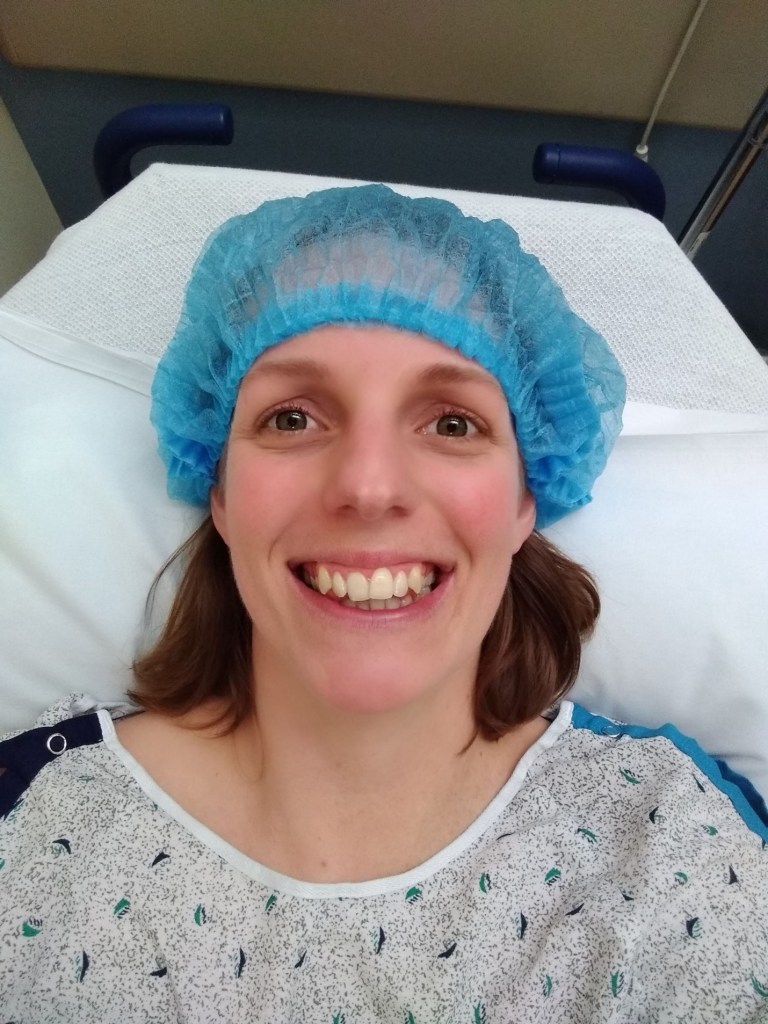
Me in my “party hat” getting prepped for surgery! Edit: No, I had not yet received my “I don’t care” meds yet, I’m just weird. And admittedly, not very photogenic, LOL.

If I’m not mistaken, I don’t recall ever having a nurse ask me that before surgery or any other outpatient procedure. It was one of a multitude of things she did that put me at ease. Her caring bedside manner let me know that I was in good hands, exactly where I needed to be, and reinforced my intuition that this is the right thing for me to do. To be honest, I liked her loads more than the anesthesiologist that came a bit later.

I found said anesthesiologist to be a bit strange. He spoke rapidly and imparted some weird vibes that certainly did not make me feel at ease, a bit off-putting actually. Having been through surgery prep before, instead of the comical, easygoing type that I’m used to seeing during this stage, this guy seemed like he was in a hurry and a little twitchy.

Image by Gerd Altmann from Pixabay

This anesthesiologist simply authorized the nurse to give me my other meds and do a nerve block. He said it was supposed to “kind of numb up the area, but it wouldn’t take away all of the pain.” So, that is precisely what I was expecting.

However, after about 20 minutes or so, I still didn’t feel numb. I could still feel my arm and shoulder/scapula area quite well, it just felt slightly heavy. I really started worrying when it still felt that way when I was being wheeled back toward the operating room.

Image by Dmitry Abramov from Pixabay

Apparently, when my pre-op nurse went to check on that with him, he told her that it could take up to an hour to take effect. Naturally, my first thought was, “Well why the hell didn’t he come an hour before I was supposed to be wheeled back then?!” Sure enough, my concern was completely validated when I woke up and I was in A LOT of pain, like 8/9 out of 10. My shoulder felt as though that nerve block failed to take away hardly any of the pain.

Believe me when I say I’d much rather preferred my shoulder being completely numb that first day through the worst of the pain. I feel as though that should be standard procedure, but I’m not the anesthesiologist, I guess. I will be mentioning that to Doctor Grantham at my follow-up visit though.

Now, the post-op nurse…I did not like her so much. At the time, I had a tiny urge to tell her to F off, or swat her away with my good arm. I wanted to say to her “Ma’am, I know you have a job to do, but can we please slow down just a bit?” To me, it seemed as though she was being a bit short and trying to rush me out the door as quickly as possible, as if I didn’t just wake up from major surgery.

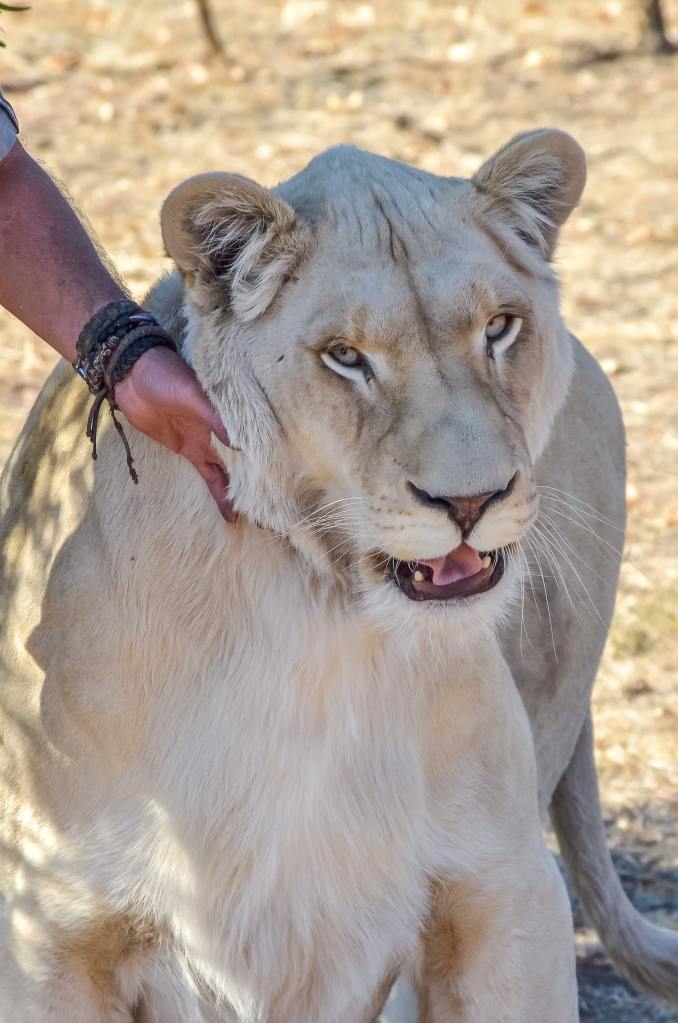
If this lioness could talk, I think she would say: “That’s quite enough touching, thanks. Kindly fuck off before I bite your hand off.” I feel you, lady, 100%. Photo by Mariska De Beer.

My husband didn’t see anything wrong with the way she was behaving towards me, then again, he wasn’t the one that just woke up from shoulder surgery exhausted, groggy, and in a level of pain they were not prepared for. She did, however, double my IV pain dose and give me an oral medication when I was finally able to articulate how bad my pain was.

It is worth mentioning that it wasn’t so much the grogginess that made it hard to speak. Rather, it was the amount of pain I was in that made it hard to communicate. If you have never been in that much pain, I sincerely hope you never are. Long of the short, it wasn’t all bad with her, but I was certainly glad to get out of there.

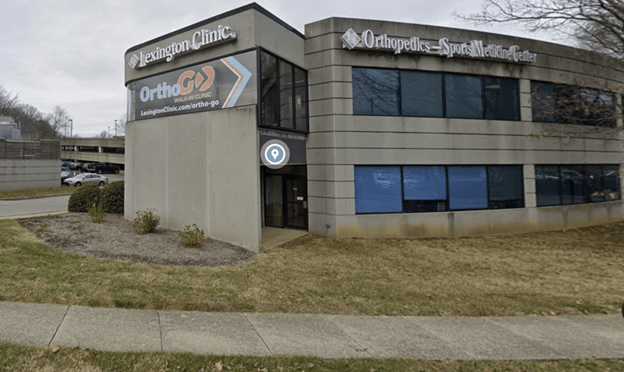
When I asked a nurse where we could get the cryotherapy cuff [1] from, I was disappointed to learn that we had to purchase it from Doctor Grantham’s main office, a separate building from the one that we were in for the surgery. It would have been nice to know that ahead of time, as this information was not documented in the pre-op folder I was given before my surgery.

We had just enough time to stop by his main office on the way home, only to be disappointed again that the representative was not there. I thought to myself “I’m glad I have a ton of ice packs at home.” They don’t quite cover the whole area that hurts, but it’s better than nothing. At this point, I thought “screw driving all the way back up there for a guy that may not be there again.” (It’s an hour and a half drive for us.)

In hindsight, that drive may have been worth it. I’ve no doubt that that item would have helped me tremendously at home those rough first few days. Anyway, during the trip home my husband filled me in on my doctor’s account of the mess in my shoulder, since I had still been asleep when he came by.

“When I got in there, it was exactly what I suspected: the trapezius and scapular muscles along the medial border of the scapula were almost completely detached. The top and bottom corners of the muscles were still attached, but the whole middle section was not. The parts that were still attached and all the surrounding muscles were having to work harder to compensate. It was preventing her from moving her shoulder and arm correctly. Those things combined were just irritating everything in the area and causing all of that pain.”

Hearing this report filled me with a mixed bag of feelings. I allowed myself to feel each of them and then let go, as I realized I had been holding it all on my shoulders for so long. I cried for a while, for very different reasons all at once. There came a sense of pity and grief, for my body that tried to heal something beyond natural human ability the best it could. Then there was sweet relief and validation, turns out it wasn’t all in my head.

The mind knows what the body has yet to understand.

Next came the closure and peace that comes from finally having answers and my shoulder finally being repaired. After a hot flash of bitter anger swept through me for it taking so long to get here, feeling cheated of the years of pain and limitations that I will never get back.

Finally, I felt a bright, warm rush of optimism and hope flooding through me, as if sunlight would glow through my skin, and emanate from my fingertips. I let joyful tears flow down my cheeks as I smiled at the bold blue sky. Relishing in the sunlight, I felt ready to bounce back, ready for my next chapter, brimming with opportunity. I think I would have gone dancing down the sidewalk, had it not been for the pain. Stay tuned for my journey through recovery.

[1] A cryotherapy cuff is an ice pack that is hooked up to a machine with cold water in it. It wraps completely around the shoulder, providing a constant flow of cold liquid coursing through it.

scapular dyskinesis · Shoulder Surgery

Shoulder Surgery Chronicles: Chapter 4: SURGERY TOMORROW!

Nice relaxing photo to help settle my nerves EEK!

It feels surreal…like a lucid dream. There’s a part of my brain that refuses to accept that tomorrow, I will receive shoulder surgery that’s going to change my life. Although, that isn’t exactly surprising considering how long I’ve been waiting for it, and how many hoops I’ve been jumping through.

I feel as though chronic pain patients are surprised when someone offers them a new solution, or new information about their condition. For complicated or rare cases, the astonishment smarts when finally, AHA! That one specialty physician knows what the heck the actual problem is. I know I was certainly taken aback.

Nervous as I am, I feel lucky to have not needed major surgery until now. I can’t help ruminating on my surgeon’s delineation of what will take place during the surgery tomorrow. Admittedly, it’s a bit unnerving and nauseating to think about it happening to my own body.

This led me to search for other people on the internet who have already been where I am, who can reassure me that it’s totally going to be fine. However, as this condition is deemed rare, patient recovery stories regarding this condition are scarce. I found one person’s story from 11 years ago. Hers is the only story I found, despite my obsessive, fretful researching.

“In a world where you can choose to be anything, choose to be kind.”

She has been so helpful and kind in discussing this with me, reading about my fears, reassuring me, giving me the good, the bad, and the ugly. Words cannot express how grateful I am that she shared her story, and is willing to be my penpal, of sorts. It helps me feel less alone embarking on this endeavor. I often tell my children, “In a world where you can choose to be anything, choose to be kind. There is never enough good, kind people to go around.”

Speaking of good, kind people, I am glad to have found one in my doctor. This past Monday Dr. Grantham squeezed me in for a follow-up visit to discuss my concerns and questions about the surgery. I respect that he likes to answer such questions in person, and I am confident in his skills and knowledge. I feel incredibly blessed, knowing I am in the best, most capable hands I could be in for this condition and procedure.

Alas, I am also filled with joy and excitement that it’s finally my turn! It seems rather odd and a bit dark, that I feel joyous and excited about my shoulder getting flayed open, having holes drilled into my scapula, the muscles getting stitched back into the bone to “reattach them,” and getting sewn back up like a hole in a quilt.

Except the longer I suffer, the worse the pain and limitations become, and the more desperate I feel. The pain is unbearable, and began “setting off” my occipital neuralgia along with my migraines, within a few months of the acute injury in 2020.

If you’re not familiar with occipital neuralgia, it is intense nerve pain akin to receiving electric shocks to the back of your head that radiate in all directions. Dealing with all three different types of pain simultaneously over and over has truly been testing my mettle.

Photo by Brian Jiz

“Something has to change.”

Throughout this journey, the more failed treatments I endured, the more doctors I saw that could not help me, the more frustrated I felt. I just kept thinking to myself, “There must be an answer. There must be someone who can help me. Something’s gotta give. Something has to change.”

As the days and months drug on with no solution in sight, I sorely missed working out, feeling strong and capable. I hungered for the freedom to crush whatever tasks I needed done without my husband’s help (mostly). I ached for my hobbies requiring the use of both arms such as archery and rifle shooting.

Photo by Zachary DeBottis

It feels as though the world was my oyster. This painful existence is a far cry from living. It feels like I have just been surviving, dragging myself through each day, relishing in each tiny bit of joy I could find, as it distracts me from the pain. I know that sounds melancholy, and probably melodramatic, but it is a relief to share my experience with raw honesty.

Nevertheless, I haven’t been able to exercise except for low impact cardio for three years. The days before I was in near-constant intense pain seem like a distant memory. The days when I felt free and able to accomplish just about anything when I set my mind to it.

“The body knows what the mind has yet to understand.”

Conversely, this is how I know I am more than ready to take this on tomorrow. I am so ready to move forward after feeling stuck for three years. I know this is the right thing to do for myself. My body has known for three years, maybe longer. Physical therapy failing to “magically fix” the problem confirmed that truth. Over the years, I have learned that the body knows what the mind has yet to understand.

I am as prepared as I feel I can be, thanks to my lovely Scottish penpal, the internet, and my own resourcefulness. I’ve got a mountain of pillows, all my post-op meds, plenty of comfy clothes, and more (metaphorical) balls than I ever knew I would need. Let’s do this.

scapular dyskinesis · Shoulder Surgery

Shoulder Surgery Chronicles Chapter 3: New Beginnings

Finally, in January 2023, after countless phone calls, I am informed that the referral has gone through to the clinic! The clinic calls me that same day to schedule, and I am overjoyed! I can’t believe that I’m finally going to see the expert Surgeon who can fix my shoulder. I met with Dr. Grantham for the first time in early March 2023.

Image by ShonEjai from Pixabay

My initial impression of Dr. G was similar to that of Dr. M. Knowledgeable, experienced, compassionate. To top it off, Dr. G was trained and mentored by the world leading expert on Scapular dyskinesis, Dr. William Ben Kibler. This guy, the second Dr. K, is the shoulder surgeon who “discovered” (or named this condition) and developed the treatment for it! In other words, I am in the best, most capable hands for my situation.

At this point, I cannot believe my luck, and I am beside myself with the blessings raining down on me after these three years of pain and suffering. My hard work and persistence are finally paying off. I am already impressed by the quality of care I am receiving, and the surgery hasn’t even happened yet.

Impressing me at this point in my life (and in this journey) is not an easy feat, as I’ve learned to be skeptical and discerning in pursuit of my medical care. I’m used to having to fight for my right to quality patient care and effective treatment. I’m used to advocating for myself when more often than not, it seems I am being brushed off. It was a splendid relief to be heard, the first time.

Image by David Mark from Pixabay

To my pleasant surprise, Dr. G and his team made everything seamless and easy! Dr. G accompanied by Dr. K, saw me for the initial visit, where they listened (GASP!) to my story. They performed the evaluation as gently as they could have and expressed sympathy that I had had to suffer so long and go through so much to get here.

I remember Dr. K specifically complimenting me on how strong I must be, to be able to withstand such pain for so long. It’s possible he was also referring to my mental fortitude as well. I stubbornly refused to give up and held on to hope no matter how many obstacles I met. I had faith that there was someone out there who could fix my shoulder.

After the exam, I was sent upstairs to meet with a physical therapist, John Lockhart, who goes by Will. The reason for this is they don’t rush into surgery there, and they value his opinion as a physical therapist. I think that is absolutely amazing and I have never seen anything like that before. After experiencing that thorough coordination of quality care, I can’t help but feel as though that should be the standard everywhere.

Anyhow, Will also took the time to listen to my story and was as gentle as he could be during his evaluation. Pointing to my AC joint, (which has been one of the main sources of my pain) he said,

“You can see here, it’s pulling your shoulder joint forward. And that shoulder pain is never going to stop until you get the scapular muscles repaired. Only then can we rehab your shoulder. You will have to relearn how to move your shoulder correctly. But until you get that surgery, you’re not going to get anywhere. Any conservative measures including PT, will be for naught.”

He then prescribed some prehab exercises to do before my surgery. Again, something I have never heard of before and thought highly of. Together, the three of them emphatically agreed that I definitely needed the surgery.

Doctor Kibler noted that I met ALL of the parameters for needing scapular muscle reattachment surgery. Dr. Grantham and Dr. Kibler thoroughly explained their reasoning, what the surgery entailed, and what the recovery would be like. Then they simply left the choice to me. No pressure, no condescending crap, just information and patience.

After discussing everything with Dr. Grantham, Dr. Kibler, and Will, and after I felt all my questions were answered, Will escorted me upstairs to schedule the surgery. Deep down, it feels as though I’ve known that I needed surgery all along. This experience confirmed that instinct.

I went out to my car afterwards, and just sat there in shock for a few moments before driving home. It felt like my head was spinning the entire rest of the day. These sensations were all good, however. I just couldn’t believe I had finally won.

I couldn’t fathom that it was actually happening, after feeling like I was running in place (or backwards) for 3 years, maybe more. Not to mention, I am still in awe that all those pieces came together in one day! I thought it would take at least a month to get through all of those steps.

I thought a great deal about that initial visit, reflecting on what the doctors had explained to me about scapular dyskinesis. Such as what it is, what causes it, and the long road to correcting it. I kept thinking back to that car accident many years ago. I couldn’t shake the feeling that it may have been the catalyst to all of this.

I remembered that during the accident, my upper body tensed up, as if bracing for the impact. I was white-knuckling the steering wheel with both hands, but maybe slightly more-so with my left. Most of the impact was to the front driver side of the car. It seems fitting that my left arm likely absorbed most of the shock…which is the shoulder that’s severely messed up now, needing surgery. CLICK. It fits.

Image by Vladyslav Topyekha from Pixabay

After that accident, I carried on with my military career. Then the osteoarthritis. The several rounds of physical therapy that didn’t help. Next, despite staying physically fit most of those 9 years, the ensuing SLAP tear and the discovery of scapular muscle detachment. Maybe that day playing with my kids was the final straw, and this was a long time coming…9 years (up to that point) to be exact. CLICK. It fits.

With my surgery scheduled with the right surgeon, and my physical therapy connection already set, I felt I could finally let go. I felt a sense of peace and relief, that I hadn’t felt in a long time. I could relax and rest now. The fight was over. Now comes the repair, the healing, and new beginnings.

Photo by Jen H. of Musecal Mind
scapular dyskinesis · Shoulder Surgery

Shoulder Surgery Chronicles Chapter 2: Kentucky, The Land of Phenomenal Shoulder Surgeons

After I got settled in Kentucky and got a referral to the second orthopedic surgeon, Dr. Brent Morris, I had renewed hope. This guy came highly recommended by the first surgeon, and from my own research, I could see he was held in high regard by his current and former patients as well. I met with him in late 2022.

I found him to be professional, knowledgeable, experienced, and compassionate. What happened next instantly shattered that renewed hope. Paraphrasing here because I don’t recall word-for-word what he said:

“I’m not the surgeon you need. I can’t help you because you have a rare condition called scapular dyskinesis. That is not my specialty. But I know who to send you to.”

At first, I was angry and heartbroken, and I wanted to break down and cry right there in the exam room. With tears in my eyes, I said to him, “So you can’t help me?” He replied, “No, I’m not the guy you need. Maybe I used to be the guy, but I think this is beyond my level of expertise. But don’t worry because the guy I’m sending you to is the best for this condition.”

In complete shock, I walked out to my car in a daze. I called my husband, and through sniffles and sobs, I told him what happened. It had already been over 2 years when I saw Dr. M that day.

Over two years of failed treatments, countless appointments, a dozen prescriptions, growing limitations, worsening pain and consequently, broken sleep. The pain made it hard not only to fall asleep but also to stay asleep, as I would often wake up in the middle of the night in intense pain.

Photo by M. on Unsplash

Upon reflection, and after many frustrated tears, I realized I respected his honesty and humility. Renewing my resolve, I called the office of Dr. Jeffrey Grantham, the orthopedic surgeon Dr. M referred me to. My heart sank a little when I learned he was not in network with either of my insurances. I knew what that meant…come out of pocket for out-of-network costs, if the insurance company would even authorize me to see him.

Then, as I read the provider notes from Dr.M, I wept once more in gratitude. Based on my experiences, such compassion and diligence for patients is far from the norm. It is a unicorn in the medical world. He wrote: “I believe it is critical this patient sees Dr. G and his team.”

In disbelief, I reread that line twice more. He was trying to help me however he could, even though he wasn’t the one who could fix my shoulder. And that was exactly the pick-me-up I needed to keep fighting.

Image by Tumisu from Pixabay

Did he know of the insurance battle I would likely have to fight to see Dr. G? Or did he merely see the pain and desperation in my eyes when he said he couldn’t fix me? I’ll probably never know, but I am certainly glad such amazing doctors exist. I wouldn’t hesitate to recommend him to people with other shoulder problems.

Let’s ponder that concept for a moment, shall we? If there were more doctors like that, who are willing to go above and beyond for their patients, think how much faster and more efficiently patients could be treated!

If we didn’t have to choose between sinking ourselves in debt for out-of-pocket costs or suffering for years whilst jumping through a crazy amount of insurance hoops…if we could just see the doctors we need to see, right away. What a beautiful, more functional world that would be.

Image by Steve Buissinne from Pixabay

If only we had more physicians that actually care about their patients…the ones who see people and not just dollar signs. If only insurance companies were less ruthless, and covered the actual doctors and treatments that people need and don’t cause further harm. If that were reality, maybe I wouldn’t still be sitting here in pain as I type this, 3 long years later.

On comes the insurance battle. It’s truly sad that it has to be a battle. That on top of dealing with chronic pain and jumping through numerous medical hoops akin to a sick circus act, we must also fight for the treatment we needed all along.

I discovered that my first insurance company would not authorize a referral nor pay a single cent for an out of network provider unless it is for emergency care. The second insurance provider flat-out denied my request to this out-of-network provider, with no option to appeal.

Image by Pexels from Pixabay

Alas, I was back to square one. Sitting and waiting for things to change. Dutifully calling the clinic every week, asking if they are in network with either of my insurances yet. The weeks drag on, as I’m struggling to get through the day in agony.

That meant alternating between indulging in any (healthy) distraction from the pain I can manage, and simply giving in to needing relief from the pain. That meant utilizing every tool at my dispense, to include pain creams, ice packs, heating pads, muscle relaxers, tennis ball massage, numbing agents, a TENS unit, anything but pain pills to take the edge off. At night, I was taking high dose sleeping pills to try to sleep at night. It felt all in vain, but what choice does one have?

FINALLY, in December of 2022, I get a win with my weekly phone call…the clinic has signed a contract with my insurance company to become an in-network provider. I was so happy I cried tears of joy and relief, I shouted, I jumped for joy. I would have done cartwheels across my front yard, if only my shoulder wasn’t effed up.

Image by No-longer-here from Pixabay

After many more calls between this clinic and my insurance company, I learned that the paperwork could take up to three months to be complete, giving them the ability to approve the referral. I thought to myself, I’ve already waited 3 years, what’s 3 more months? Thus, I continued calling week-after-week, hoping the referral process is complete.

Stay tuned for Chapter 3: New Beginnings.

scapular dyskinesis · Shoulder Surgery

Shoulder Surgery Chronicles Chapter 1: The Beginning

In the first chapter of my shoulder surgery chronicles, I am returning to where I reckon this mess began. There’s no way to know with absolute clarity and certainty how I ended up with scapular dyskinesis. However, the extensive research I have done on this condition, coupled with the conversations I have had with my medical team, leads me to believe that this is the most credible account. It is a story spanning 12 years, give or take.

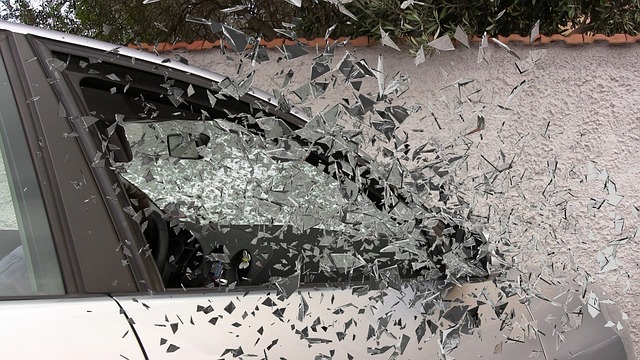
Many years ago, I was living in Washington state. In the summer of 2011, I was in a motor vehicle accident, my first one to be exact. The first accident is often an awful one, and for some reason unbeknownst to me, it seems to occur when the person who is hit is doing everything correctly.

Picture this: you’re doing everything you could and should be doing to be a good driver and avoid accidents…wearing your seatbelt, no distractions, no speeding, driving as safely as possible, etcetera…that, is when chaos intervenes.

It could be an animal, a force of nature, or in my case, another human. This person, fallible and flawed as he was (as we all are), was apparently in a much bigger hurry to reach his destination that morning than I was. I mean who else drives 55 MPH entering a neighborhood, where the posted speed limit is 15 MPH, right? I’m betting it’s the same kind of person who would touch an electric fence on purpose.

Image by David Cardinez from Pixabay

Anyway, thanks to this reckless driver, my car was totaled. Apparently, my odd way of coping with that traumatic experience, and the correlating surge of adrenaline and anxiety, was to channel it into being irritated that he had spilled my coffee.

I remember feeling angry and devastated, as I had only owned that car for a few months. It was my first car, bought with my own hard-earned cash. There’s truly nothing like your first car. It symbolizes concepts so much deeper than simply a mode of transportation. That car was my first true sense of freedom and independence as an adult. I was doing everything correctly, by the book. And it still didn’t fucking matter.

Suddenly, I knew what my grim high school photography teacher meant by “Life’s a bitch, and then you die.” The first part is about the bullcrap that life throws your way when you don’t deserve it, and the second part is about life being short and being glad you’re not dead yet. Well, I thought, at least I still had that.

At any rate, I remember that accident causing whiplash, and my upper body feeling sore. Being young, dumb, and stubborn, I didn’t think much of it at the time. I caught a ride with a coworker and went off to work. However, it wasn’t long before I realized more damage had been done than I originally thought.

When I suddenly started having problems with my balance, equilibrium or inner ear balance, memory, concentration, mood, sleep, and even trouble keeping my eyes open, I knew something was seriously wrong.

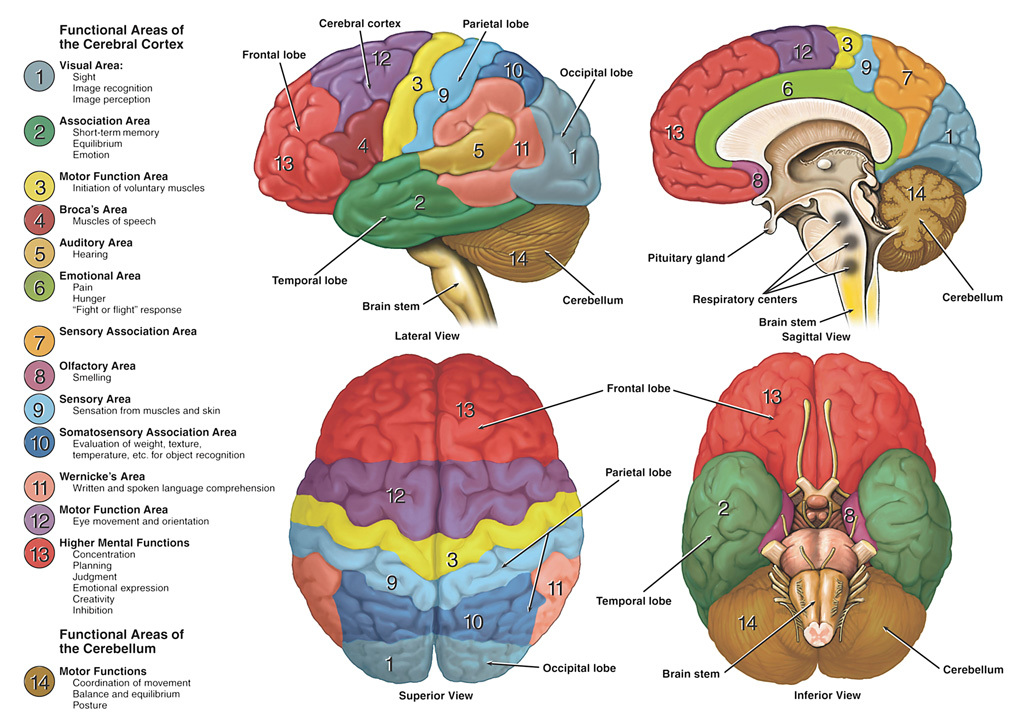
This brain diagram helped clue me in to what the heck was happening to me. Turns out, I had a mild traumatic brain injury. This picture also helped me understand exactly which parts of my brain were damaged in the accident.

A short time later, during some mandatory training, I learned that you don’t have to get hit in the head or be near a blast to have a traumatic brain injury. Whiplash, like that from a motor vehicle accident, is all it takes. That’s not to say it will happen to everyone, every time. I’m not a doctor. But just learning that it can happen that way, coupled with my symptoms matching, CLICK. I knew before I was officially diagnosed.

Image by 0fjd125gk87 from Pixabay

Sometime after I recovered from the worst of my mild TBI symptoms, I started noticing pain in my shoulders. As I was medically retiring a year and a half or so later, I was told that it was osteoarthritis, or wear and tear from military service. It seemed like a plausible diagnosis.

In an attempt to cope with the ongoing pain after I left military service, I did a couple of rounds of physical therapy, to no avail. At that point, I just accepted I would have to learn to live with it and work around the pain. That I did, including modifying my exercise routine to accommodate it.

That seemed to work well until late 2015, when I suddenly felt as though someone was tasering me in the back of my head. It is the most painful sensation I have ever experienced, an electric shock-like pain originating from the base of my skull, radiating up into my scalp and my face every couple of seconds.

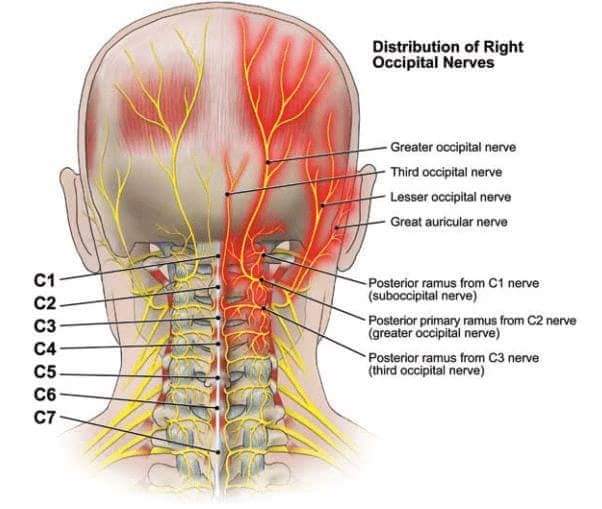
My new diagnosis was occipital neuralgia. This told me I likely have damage to my cervical spine, as the occipital nerves extend down into discs C1-C4. I wouldn’t find out exactly what kind of damage (besides nerve damage) until a few years later.

Now it’s about 9 years since the car accident, in 2020. I am swinging on an overhead horizontal bar, playing with my kids. We were pretending to be monkeys. No lifting or excessive strain, just swinging. Then I heard and felt a “pop,” and pain so intense I thought I broke a bone or dislocated my shoulder. I headed to the ER, with the results being negative for both of those. My primary care doc sends me to physical therapy, which I attended for 8 weeks.

The result was an increase of pain, instead of a decrease. Big surprise there. I’m sure quite a few people in the medical community would be shocked to learn that physical therapy doesn’t fix everything. About 9 months after the acute injury, I was finally sent to obtain an MRI, which showed a healing SLAP tear or a “superior labral tear from anterior to posterior” tear.

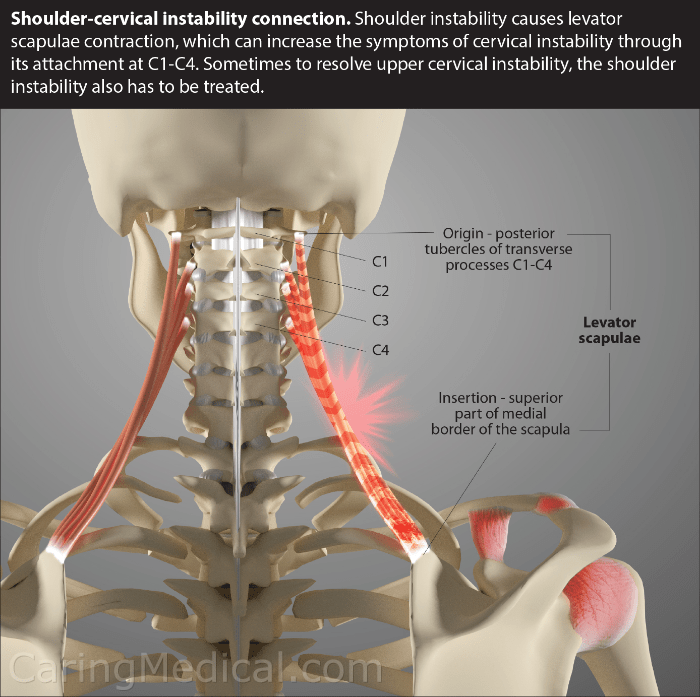
When I saw the first orthopedic surgeon, the Dr. Kelly Kirkpatrick, we did oral steroids, cervical spine imaging, and an arthrogram of my shoulder. The cervical spine MRI showed damage that was previously missed. I thought aloud at the appointment, “Wow, I wonder how long that’s been there.” Although problems with the cervical spine and shoulder can be linked, as seen in the image below, it still did not fully explain my situation.

In the end, Dr. K concluded that my cervical spine was not the source of my shoulder pain, and if the SLAP tear was all that was wrong, it should have healed by now with conservative measures. Still, I continued to have intermittent intense pain, and constant aching in between those episodes.

My medical team at that time didn’t gain any further clarity on repeat imaging. Yet my pain continued to worsen any time I used that arm, even for things as light as vacuuming. Eventually, just sleeping on that side was enough to trigger intense pain, two years after that injury. Which, in turn, made getting adequate rest absolute hell.

The last conservative treatment option attempted was a steroid injection. I knew deep down it wouldn’t fix it, but I said what the hell. Better that than rushing into surgery when they aren’t even certain what to fix. When it didn’t “magically fix” my pain, we discussed surgery.

Image by Dominik Karch from Pixabay

By this point, I didn’t feel afraid of going under the knife, I was simply tired of being in so much pain. This Dr. K suggested a procedure called bicep tenodesis. I chose to research the procedure first to make the most informed decision. I was also about to move out of state, so it just wasn’t possible at the time.

I am so glad that I didn’t agree to that procedure, and that the timeline didn’t work out, because it wouldn’t have fixed the problem. To be honest, I don’t think they had a clear idea as to exactly what the problem was. Not that they didn’t try, they just didn’t have the right expertise.

That is what I found in KY, the land of phenomenal shoulder surgeons, which will be discussed in Chapter Two. Stay tuned, as I cram writing in between physical therapy, family life, and fighting my daily mental war.

Dear reader, thank you for being here. I hope you find my story insightful and inspiring. If you have any questions about my journey in the course of navigating your own or helping a loved one with theirs, please feel free to ask!

scapular dyskinesis · Shoulder Surgery

Hello! I Now have a 6-inch Scar to Talk About

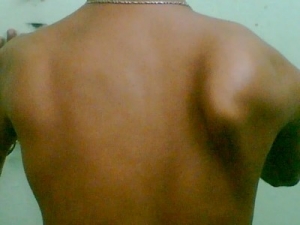
Disturbing photo, isn’t it? That’s what my shoulder used to do.

Remember when I said my chronic conditions kick my butt for a couple of weeks now and then? Well, this time it was my shoulder. The good news is that it wasn’t the usual excruciating pain I became accustomed to living with, but surgery recovery instead.

Yes! I finally beat the system; I WON the healthcare lottery. I received the surgery on my shoulder I have been needing badly for 3+ YEARS, by way of THE best expert surgeon for this injury. Words cannot express how blessed and relieved I feel that that part is over. At any rate, this particular affliction is called Scapular Dyskinesis, and you can read more about that here.

I wish I had asked my surgeon to take a before photo during the exam so I could show you what my situation looked like. I can assure you it was similar to the above picture, and equally unsettling in appearance, if not worse. I suppose I was focused solely on being heard, and wondering if my time was being wasted again (yay western medicine…). It wasn’t. I finally found the right clinic, and the right doc to fix my shoulder.

Many sources I came across during my research insist that physical therapy is the answer for this injury. Not always…it depends on the cause, and the extent and type of damage. I respect medical professionals that try to keep their patients out of the operating room, because surgery is invasive and complicated, and the recovery really sucks. The truth is, though, many cases require surgery, particularly ones with muscle detachment. If your muscles are detached, no amount of physical therapy will take until you get them reattached.

I know this from experience. We’re talking years of increasing pain, dysfunction, accumulating secondary conditions like occipital neuralgia, and eventually, secondary injuries such as labral tears. All of that suffering despite several attempts at conservative treatments. In the end, it took the right pair of eyes, and the right expertise, to finally heal correctly.

Anyway, I’m about eight weeks post-op, with my minor surgical complications resolved and physical therapy well underway, I finally feel able to return to writing. This topic will be my focus for a while, which will be broken up into weekly segments, as it is a long story. All the same, it is an account worth telling, not only for myself, but also in the off-chance of helping someone else.

Mycology

For the Love of Mushrooms

Jack-O’-Lantern Mushrooms. Photo by Musecal Mind Aug 2022

I am not certain when my love for the intriguing world of mushrooms began. I think deep down I have always found them fascinating and beautiful in their own freaky, weird ways. I have always been drawn to them whilst spending time in nature, admiring their peculiar features and varied habitats. I am often found wandering the forest, hunting new ones to inspect and photograph.

In the past year or so, I have been delving deeper into the mystical world of mycology, studying the multitude of different kinds and their uses, habitats, history, etc. One fact I find to be particularly interesting, is that research indicates fungi, or mushrooms, is the largest and one of the oldest living organisms on the planet:

“According to a new study led by Steeve Bonneville from the Université libre de Bruxelles, the first mushrooms evolved on Earth between 715 and 810 million years ago, 300 million years earlier than the scientific community had believed until now.”

https://phys.org/news/2020-01-mushrooms-earlier-previously-thought.html

Additionally, fungus happens to be one of the most beneficial creatures, and in ways you might not expect. I use the term creatures, because although they share traits of both plants and animals, their DNA is actually closer to animals. For example, mushrooms appear rooted in place, with an underground network of “roots” or the mycelium.

Drawing by Musecal Mind 16 March 2023

Secondly, they have a plant-like structure with a stem, and a fruiting body called the cap, which releases spores, as other plants do. However, being incapable of photosynthesis, they cannot make their own food. They must absorb and “digest” outside sources of food, usually in the form of decaying matter. Therefore, although their DNA indicates that mushrooms are closer to animals, their characteristics reveal that they are not quite either classification.

Interestingly, some types of mushrooms “eat” insects and animals. These are called parasitic mushrooms. Varieties in this category include the lobster mushroom, caterpillar fungus, and the zombie-ant fungus. Yes, that is indeed as disturbing as it sounds. Now only if we could find a way for them to infect ticks and mosquitoes…it would make for a much more comfortable summer in many regions. No matter the make-up of their diet, the first benefit of mushrooms for people is as a source of sustenance.

This brings us to the class of gourmet mushrooms, many of which are popular in Asian cuisines. These include the morel, chanterelle, oyster, shitake, maitake, and enoki species, to name a few. Although you don’t necessarily have to go visit an international market to find them. The grocery store chains Kroger and Albertsons carry a “gourmet mushroom blend” containing a few of those.

Two other common types you can find in many grocery stores are white mushrooms, and my personal favorite, portobellos or Agaricus bisporus. That is my staple cooking mushroom I always have on hand. If you don’t have a use for them right away, they freeze well after being sauteed. However, the large ones are great for stuffing with vegetables, meat, and cheese for a light and savory lunch or dinner.

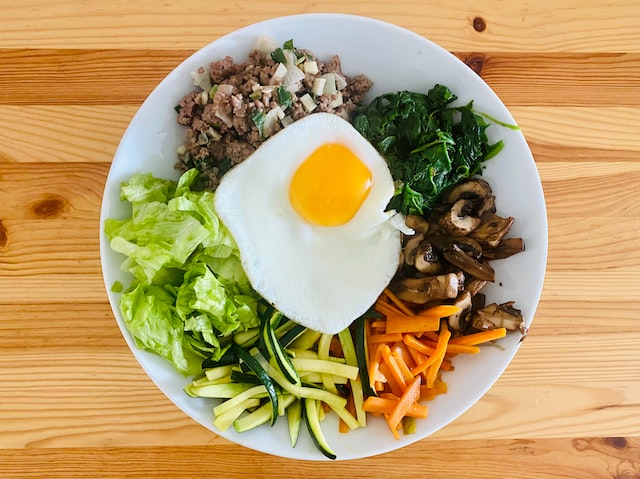
For the smaller/younger ones, you can stuff those as well, but I prefer to slice and sauté them for topping steaks, gravies, homemade cream of mushroom soup, pasta or casserole dishes, you name it. I also love throwing fresh slices on homemade pizzas, subs, wraps, salads, and a Korean dish called bibimbap. It’s easy, healthy, and sooooo good. I LOVE Korean food.

Photo by Nikolay Smeh on Unsplash

Before we move on, I must take a moment to rant about a grotesque, ruinous habit of many pizza chains: using canned mushrooms. A horrid trend I truly wish would end and never return. Canned mushies=slimy and flavorless. Fresh mushrooms bring a flavor profile and texture that canned ones couldn’t hold a match to on a stale, searing summer day in the middle of the Southwestern desert.

My favorite pizza is pepperoni and mushrooms, sometimes with jalapenos when I’m feeling sassy. Once I learn of a pizza place committing the pizza injustice of using canned mushrooms, I never order from them again. If you own a pizza joint, please for the love of good food, NEVER use canned mushies. Your customers will take notice and will thank you for using quality ingredients.

In the words of American cooking teacher Julia Child, “You don’t have to cook fancy or complicated masterpieces-just good food from fresh ingredients.”

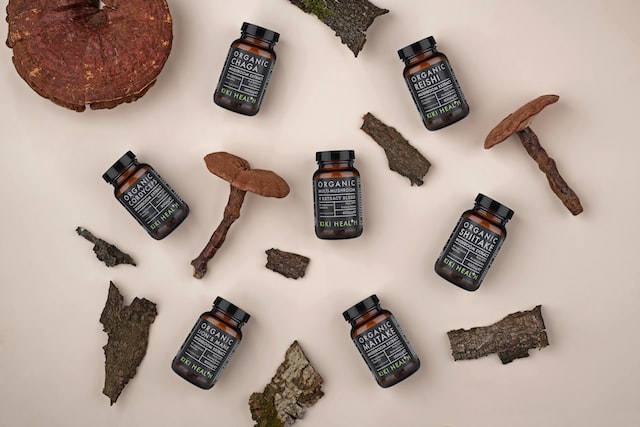
Next, there are the medicinal variety of mushrooms, hailed for their health benefits. Not surprisingly, many mushrooms classified as gourmet, are also used in ancient Chinese medicine. The most well-known being Reishi, Lion’s Mane, Chaga, Cordyceps, Shitake, and Maitake. A few honorable mentions are Tricholoma matsutake, Lactarius hatsudake, and Boletus aereus.

Photo by Gina Sell on Unsplash

The Chinese (and many other countries, to be frank) are way ahead of us in the Western part of the world in terms of natural medicine, also referred to as naturopathic or alternative medicine. China is also where chiropractic, acupuncture, and cupping therapies originate from.

Though, I am ecstatic to see that we are catching up. The truth is patients need choices, so they can make the best informed health decisions. Some folks just do better with naturopathic medicine for many ailments, and some traditional medicines do more harm than good. Ever looked at the list of side effects for a pharmaceutical medication? It is a long list, more often than not. Here’s one for a common diabetes medication, Metformin:

  • diarrhea
  • bloating
  • stomach pain
  • gas
  • indigestion
  • constipation
  • unpleasant metallic taste in mouth
  • heartburn
  • headache
  • flushing of the skin
  • nail changes
  • muscle pain

Anyhow, aside from being rich in B vitamins and Vitamin D, mushrooms offer a variety of advantages to the health conscious. These benefits range from overall wellness and vitality, to aiding in blood sugar regulation and healthy hormone levels, liver and heart protection, boosting the immune system, cancer-fighting properties, and neuroprotection.

Time for a necessary disclaimer:  I am not a medical provider of any kind, and this is not to be considered medical advice. These opinions are my own, and the information provided is merely a useful tool to advocate for one’s well-being with their doctor. I only wish to share what I have learned on my own journey.  Going “natural” has been the best route for me many a time.

Finally, the third benefit to the human world and the planet, is their potential use as a solution for the growing landfill problem. There’s the standard household waste, a great amount of which are plastics. “Landfills receive about 27 million tons of plastic every year in the United States alone.” Kayla Vasarhelyi colorado.edu. Reducing the amount of plastic we use is ideal. However, I feel that that change would only be impactful if it changed on a corporate level as well. Personally, I would love to see more beverage companies use glass, for starters.

Photo by Katie Rodriguez on Unsplash

Then there’s construction and demolition materials as well, which are also notoriously hard to break down. What’s more, a pilot program involving myco-remediation companies, resulted in an important discovery. After the mushrooms break down those difficult materials, what was once waste becomes a valuable, renewable source of packaging and insulation material. Janelle Penny Buildings.com.

As you can see, there are many ways to utilize mushrooms for positive impact. Fungi are likely the most under-utilized natural resource we have. I feel it is the future of naturopathic medicine, cleaning up our environment, and so much more. Research and implementation are slow going, as despite these established benefits, outdated laws and lack of funding remain barriers to their use. Still, a slow-moving solution is better than no solution. I am excited to see where the science takes us.

Final disclaimer: if you want to go mushroom hunting, make sure it is legal in your area. Furthermore, I would not advise consuming wild mushrooms, unless you are 100% sure what species it is, and whether or not it is legal to consume. Meaning you would bet your life on it…because you are doing just that by consuming wild mushrooms. To my knowledge, you can safely and legally photograph, read about, and therefore study them anywhere in the U.S.

That being said, if you have more information to add, or a relevant experience you wish to share, please comment below! Since it is St. Patrick’s day, I will leave you with an Irish blessing:

“May your troubles be less, and your blessings be more. And nothing but happiness come through your door.”

Mental Health & Wellness · Uncategorized

Human Beans are Just Complicated Plants

Human beans (I LOVE the story BFG by Roald Dahl) are akin to complicated plants. We have many of the same basic needs: food, air, water, sunshine, a safe, healthy place to put down roots, and shelter when it’s too crazy outside. We have many of the same problems too…getting disturbed by pests, being eaten, or trampled on by wild animals, diseases, and having too much or too little of our basic needs. We too, experience shock when transplanted (especially unexpectedly), and others are always needing and/or taking things from us. The list goes on and on. We must withstand it all, so we can bloom like the beautiful, imperfect, freaky flowers that we are.

Photo by Karsten Winegeart on Unsplash

What makes human beans complicated, though, is that we also possess the ability to think, and to feel to indescribable depths. We have a constant flow of thoughts, going in all different directions, and can feel many different emotions at once. Sometimes we feel opposing ones simultaneously. That is the average human being. If you are introverted, chances are, you overthink quite a bit. The possibility that you are also an empath multiplies, further complicating things.

What is an empath? Empaths are people who feel things to a greater intensity than others, even sensing others’ moods. The definition of an empath from Oxford languages makes us sound superhuman: “…a person with the paranormal ability to apprehend the mental or emotional state of another individual.” I view this ability as both a gift and a curse. I can tell you from personal experience that being an empath is often exhausting.

Then, if you (like me) also struggle with mental health issues, it’s enough to make you feel as though you are being ripped the fuck apart all the time. Then we are put in a world built for extroverted, neuro-normal people, which is constantly and rapidly changing, and chock full of contradictions. The Joker (2019) said it best: “The worst part about having mental illness is the world expects you to behave as if you don’t.”

Image by Josh Clifford from Pixabay

So how the hell do we cope? How do we function? How do we thrive? The answer is, you guessed it, complicated. Or at least much of the common advice is. Say yes to more things, so no to more things. Do something productive or fun, be still and do nothing. Get outside and soak up some vitamin D but be careful not to get so much you give yourself skin cancer. Try these pills, but they might make things worse. Or if you’re living with both anxiety and depression (Hi! Welcome to the club!), your anxiety pills can increase your depression and/or cause suicidal ideations, whilst your depression pills might make you more anxious.

Image by Hasty Words from Pixabay

Spend time with friends or family, but don’t forget to take time for yourself. Catch up on sleep, don’t sleep too much. Get more exercise in, but not so much you muck up your period or injure yourself. Find a pleasant distraction, practice mindfulness…be in the here and now. Try to relax…yay, another paradox. Declutter: life is a constant barrage of emails, to-do lists, material stuff, commitments, etc. Sure, it’s great that there are many modern-day resources to help with this sort of thing, but the myriad of those resources can feel overwhelming at times.

There are online support groups, some decent, far too many full of drama. Then there’s in-person support groups, which may not meet at times that work for your schedule or turn out to be unproductive griping sessions. Moreover, how many times have you heard: “There’s an app for that” Or “Have you tried this app?” Before you know it, you have roughly 100 apps on your phone, many of them bogged down with bugs, ads, viruses, etc. Thus, defeating the purpose of focusing on the task at hand and retaining the motivation to complete said task. Subsequently, incomplete tasks increase anxiety and depression, rinse and repeat. This has been much of my experience.

Image by Grae Dickason from Pixabay

In any case, the truth is, the world doesn’t just need the “life of the party” types, or the neuro-normal people. It needs you, too…the quiet, weird, quirky, introverted, neuro-divergent ones. The neurotic, the empaths, the ones struggling to get through the day. The ones who help in quiet, meaningful ways. That could mean quietly being there for a friend, without expecting anything in return, spreading kindness with small, selfless acts, or producing a piece of art that speaks to people. Something that touches their soul…and imparts something they didn’t even know they needed.

In fact, I feel that some of the most picturesque, meaningful pieces of art were produced by people in those categories…think Edgar Allan Poe, Van Gogh, Edvard Munch, Georgia O’Keefe, Edgar Degas, Sylvia Plath, Ernest Hemingway, Virginia Woolf, the list goes on. Then there is modern day depression and anxiety art, which includes some of the most excruciatingly beautiful creations I have ever gazed upon. This piece, entitled “Lies” by AkiraKirai on Deviant Art, breathtakingly illustrates the tormented reality of mental health battles.

https://www.deviantart.com/akirakirai/art/lies-282588460

Still, in the life-long quest of attaining happiness, I have learned a few tactics and skills to help myself as an overly complicated, introverted plant in an extroverted garden, and likewise, increase my well-being:

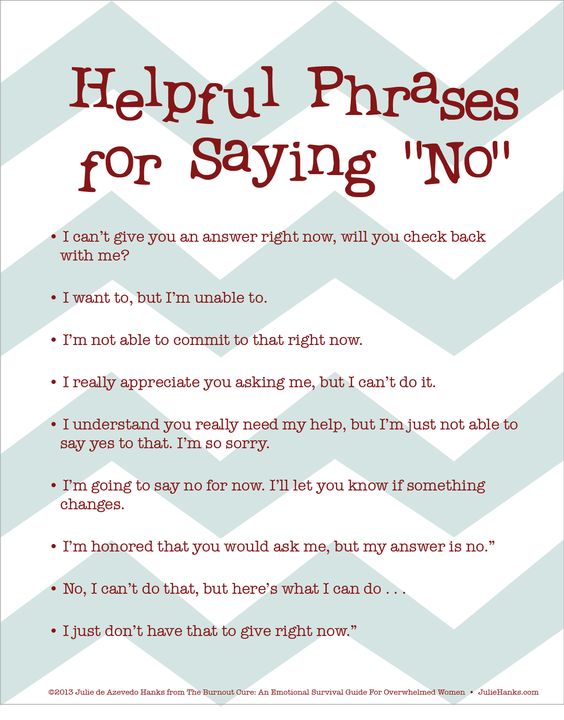
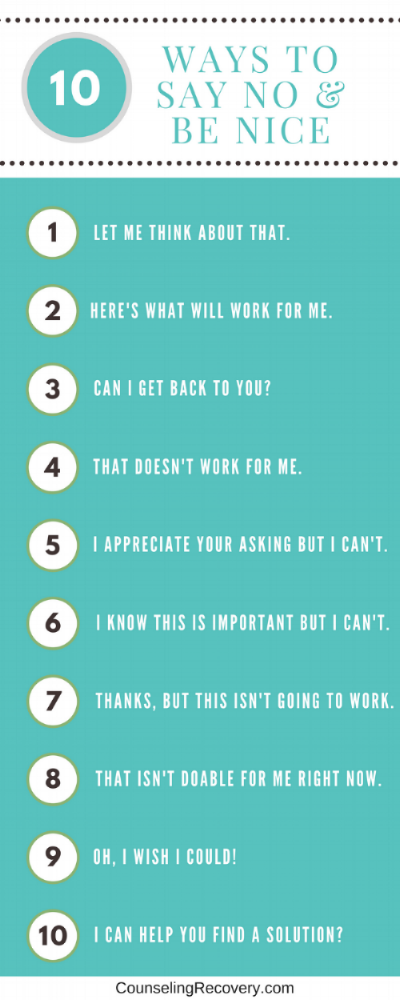
  1. Learn to say “No,” and not feel bad about it! Unless you’re being an asshole. Don’t be an asshole. Here are some polite ways to say “No”:

2. Know your limits, and don’t overdo it. It is also necessary to push your limits now and then, for meaningful, healthy reasons and people. It may be uncomfortable, but this discomfort is how personal growth happens. An important note to remember: just because you are “free” or want to be at home, doesn’t mean people are entitled to your time and peace. See above for polite ways to say “No.” Or you can simply say: “Thank you for the invite, but I need a quiet night at home tonight.” Or “I would love to, but I am long overdue for some ‘me time.'” Include an offer for a raincheck. For example: “I would love to get together for ______ on (provide some alternate days/times that work for you).”

3. Cancel plans when necessary. I’m sure we all try our best to show up for our people, especially with important things. But life happens. Sometimes shit comes up. Whether it’s a chronic illness (mental or physical) that’s kicking your butt, or perhaps you’ve found yourself over-committing again. Whatever the case may be, sometimes cancelling is necessary. Once again, this is not a justification for being an asshole…which means be honest, and don’t flippin’ ghost people. Ambivalent friends are the worst.

However, don’t feel obligated to over-share or over-explain. Only share what you are comfortable with sharing or is appropriate to share about what is going on. This could be as simple as: “I’m sorry, but I’m dealing with some difficult things right now.” Even if you trust the person or people enough to share details, you don’t have to feel pressured to do so in the moment.

Image by Pexels from Pixabay

Here are some general rules of thumb for cancelling plans:

  • Consider how you will feel after having gone before cancelling. This can be helpful in avoiding cancelling merely because of anxiety, depression, or a sudden sense of ennui. I often feel better having gone, showing up for my people, and trying to enjoy myself, rather than making no effort at all, which can make one feel worse. Many times, putting in the effort and being around other people actually makes me feel better when I’m super anxious or down. Also, consider committing to a shorter time period or leaving early in lieu of cancelling. I have had friends do that, and I was grateful to have their company for a little while rather than not at all.
  • Cancel in as far in advance as possible.
  • Do it in person or call instead of text, if possible. However, texting is still far better than just blowing someone off.
  • Apologize and express your disappointment over having to break plans.
  • If you have no particular reason, don’t make something up. Instead, you can simply say: “I’m sorry, but unfortunately I’m not going to be able to make it after all.”
  • Offer alternative dates to get together. If you cancel, the responsibility to reach out for the next meetup is on you.
  • Do NOT make a habit of it, especially last-minute cancellations.
  • If you must cancel, make it a point not to cancel the next time or two.
  • If it’s a situation where someone has made reservations and/or bought tickets, food, etc., offer to repay them the amount they spent on you. If that is not possible, offer their favorite coffee or bottle of wine, or some other meaningful, friendly gesture.
  1. Step out of your comfort zone sometimes, but on your terms. If you never push yourself to grow and become comfortable with (or at least not terrified of) more stuff, you’ll always be uncomfortable and/or terrified of that growing list of things. We want that list to shrink, or at least be balanced.
  2. Stick to your schedules and routines, but don’t strangle yourself with them. We introverts find comfort in knowing what to expect, the rhythm of our lives is music to our ears. On the contrary, feel free to change it up sometimes, be spontaneous…this also helps with individual growth.
  3. You don’t have to control everything all the time. Many things, you never actually had control of, because you can’t control them. Learn to be ok with that, deary.
  4. Let people in. This one is really hard for me. I have seen the dark sides of humanity too many times. The fact remains, I need friends, just like everyone else. However, you don’t have to swing the door open all the way. Start by opening it just a crack, to see what’s out there. Feel free to open it little by little, as that person earns your trust. Hopefully by the time it’s all the way open, you have pants on. Or the other person is such a good friend that they don’t mind if you forget you’re not wearing any.
  5. Find your quiet spaces you can run to when the world gets too loud. Whether that is wearing noise-canceling headphones, going to a park, the library, a coffee shop during non-peak hours, etc. Collect as many quiet, safe places as you can muster.
  6. Pay attention to who stresses you out or makes you feel uncomfortable and why. Analyze and reflect on that. If it is healthy and/or productive discomfort, that person may be helping you grow. If it isn’t, and the person is valuable to you, tell them how you feel and what specific behaviors of theirs are leading you to feel that way. Be sure to express that the continuation of the friendship is your goal, and you value and respect them enough to discuss this.

10. Last but not least, being assertive is a necessary survival skill. This is not the same as being aggressive or passive aggressive. Psychology today defines assertiveness as follows:

“Assertiveness is a social skill that relies heavily on effective communication while simultaneously respecting the thoughts and wishes of others. People who are assertive clearly and respectfully communicate their wants, needs, positions, and boundaries to others… They are open to both compliments and constructive criticism.”

This one can be particularly hard for victims of child abuse, those who have been victimized as an adult, or just difficult for women in general. I say this as an introverted woman with severe PTSD. Often times these days I see more aggressive, passive-aggressive, and passive women than assertive. I know it has been a difficult skill for me to navigate, and I’m still not proficient at it. Though I am improving over time, and I hope we can learn and grow on that together. Our society will certainly be much better off for our efforts.

Image by Jill Wellington from Pixabay

In any case, we are some complicated beings. Life is complex, hard, and messy. But it is also so fucking beautiful, and the world has a number of beautiful souls in it. Many times, it can feel extra hard for us strangelings and neurotics to attain happiness, joy, or contentment, and that’s ok. It is still a worthwhile goal, because we deserve to experience those things too. Yet, it is not impossible…even if it feels like it sometimes.

Uncategorized

The Journey Begins

Thanks for joining me!

Hello! My name is Jen. I am an ordinary, sometimes extraordinary, earthling, living life one day at a time. I have severe PTSD which colors my life in a myriad of hues, and I have a degree in being socially awkward. I do not claim to be an expert in any particular thing, instead I consider myself a strangeling who knows a little about a lot of things. I have always loved writing, and I believe it is my true calling. I decided to combine it with my other weird hobbies and interests, and more importantly, my passion for helping people in quiet, meaningful ways…ways that truly matter. That is why I am here, why I finally found the courage to create my own blog after many years of dreaming about it.

With each post I write, my goal is to make a difference in another’s day. Whether my writing provokes a smile or big belly laughs, sparks a conversation, inspires someone, or speaks to their soul. I believe the world needs more positive interactions and community, more laughs, and certainly more kindness. Perhaps I can help someone find an awesome product it feels like they’ve been searching for, for like, EVER. (Which BTW, I will NEVER recommend a product or service I haven’t tried myself and believe in, nor will I EVER leave a false negative review. I believe the world needs a bit more honesty.)

Finally, I think the world is in desperate need of politics-free zones of entertainment. It is seeming to be everywhere these days, poisoning books, movies and TV shows, including old favorites that have been resurrected. I felt a rush of delicious nostalgia when I learned someone had breathed new life into some of old favorites…then I realized they were reignited only to be contaminated…and it just made me want to vomit. For fork’s sake, let entertainment just be entertainment. I don’t know about ya’ll, but I need a break from it. A calm, peaceful, joyous respite AWAY from all that NOISE. If this resonates with you, then welcome, friend. Come on in.

Here you’ll find topics ranging from health and wellness, kick-ass recipes, reviews of awesome products or services, amazing destinations and absurd travel experiences, awkwarding (yes I insist on using it as a verb because I manage to do it so often, facepalm…), mycology (the study of mushrooms), tips on training dogs and raising chickens, things relating to pregnancy and parenting, organic gardening fails and lessons learned, DIY projects (including hilarious mistakes and what I learned from them), etc. Essentially, I write about whatever topic is currently piquing my interest in an open, honest, and hopefully amusing, fashion. As a bit of a salty veteran, I do swear, though I try to keep it to a minimum.

I aim for a posting frequency of once a week at a minimum. To be honest though, sometimes my chronic medical conditions kick my butt for a couple of weeks…but I always come back swinging. In the words of Author Nancy Naigle, “Live your life in such a way, that when your feet hit the floor in the morning, Satan shudders and says, ‘Oh shit, she’s awake!’”