
Human beans (I LOVE the story BFG by Roald Dahl) are akin to complicated plants. We have many of the same basic needs: food, air, water, sunshine, a safe, healthy place to put down roots, and shelter when it’s too crazy outside. We have many of the same problems too…getting disturbed by pests, being eaten, or trampled on by wild animals, diseases, and having too much or too little of our basic needs. We too, experience shock when transplanted (especially unexpectedly), and others are always needing and/or taking things from us. The list goes on and on. We must withstand it all, so we can bloom like the beautiful, imperfect, freaky flowers that we are.

What makes human beans complicated, though, is that we also possess the ability to think, and to feel to indescribable depths. We have a constant flow of thoughts, going in all different directions, and can feel many different emotions at once. Sometimes we feel opposing ones simultaneously. That is the average human being. If you are introverted, chances are, you overthink quite a bit. The possibility that you are also an empath multiplies, further complicating things.
What is an empath? Empaths are people who feel things to a greater intensity than others, even sensing others’ moods. The definition of an empath from Oxford languages makes us sound superhuman: “…a person with the paranormal ability to apprehend the mental or emotional state of another individual.” I view this ability as both a gift and a curse. I can tell you from personal experience that being an empath is often exhausting.
Then, if you (like me) also struggle with mental health issues, it’s enough to make you feel as though you are being ripped the fuck apart all the time. Then we are put in a world built for extroverted, neuro-normal people, which is constantly and rapidly changing, and chock full of contradictions. The Joker (2019) said it best: “The worst part about having mental illness is the world expects you to behave as if you don’t.”

So how the hell do we cope? How do we function? How do we thrive? The answer is, you guessed it, complicated. Or at least much of the common advice is. Say yes to more things, so no to more things. Do something productive or fun, be still and do nothing. Get outside and soak up some vitamin D but be careful not to get so much you give yourself skin cancer. Try these pills, but they might make things worse. Or if you’re living with both anxiety and depression (Hi! Welcome to the club!), your anxiety pills can increase your depression and/or cause suicidal ideations, whilst your depression pills might make you more anxious.

Spend time with friends or family, but don’t forget to take time for yourself. Catch up on sleep, don’t sleep too much. Get more exercise in, but not so much you muck up your period or injure yourself. Find a pleasant distraction, practice mindfulness…be in the here and now. Try to relax…yay, another paradox. Declutter: life is a constant barrage of emails, to-do lists, material stuff, commitments, etc. Sure, it’s great that there are many modern-day resources to help with this sort of thing, but the myriad of those resources can feel overwhelming at times.
There are online support groups, some decent, far too many full of drama. Then there’s in-person support groups, which may not meet at times that work for your schedule or turn out to be unproductive griping sessions. Moreover, how many times have you heard: “There’s an app for that” Or “Have you tried this app?” Before you know it, you have roughly 100 apps on your phone, many of them bogged down with bugs, ads, viruses, etc. Thus, defeating the purpose of focusing on the task at hand and retaining the motivation to complete said task. Subsequently, incomplete tasks increase anxiety and depression, rinse and repeat. This has been much of my experience.

In any case, the truth is, the world doesn’t just need the “life of the party” types, or the neuro-normal people. It needs you, too…the quiet, weird, quirky, introverted, neuro-divergent ones. The neurotic, the empaths, the ones struggling to get through the day. The ones who help in quiet, meaningful ways. That could mean quietly being there for a friend, without expecting anything in return, spreading kindness with small, selfless acts, or producing a piece of art that speaks to people. Something that touches their soul…and imparts something they didn’t even know they needed.
In fact, I feel that some of the most picturesque, meaningful pieces of art were produced by people in those categories…think Edgar Allan Poe, Van Gogh, Edvard Munch, Georgia O’Keefe, Edgar Degas, Sylvia Plath, Ernest Hemingway, Virginia Woolf, the list goes on. Then there is modern day depression and anxiety art, which includes some of the most excruciatingly beautiful creations I have ever gazed upon. This piece, entitled “Lies” by AkiraKirai on Deviant Art, breathtakingly illustrates the tormented reality of mental health battles.

Still, in the life-long quest of attaining happiness, I have learned a few tactics and skills to help myself as an overly complicated, introverted plant in an extroverted garden, and likewise, increase my well-being:
- Learn to say “No,” and not feel bad about it! Unless you’re being an asshole. Don’t be an asshole. Here are some polite ways to say “No”:
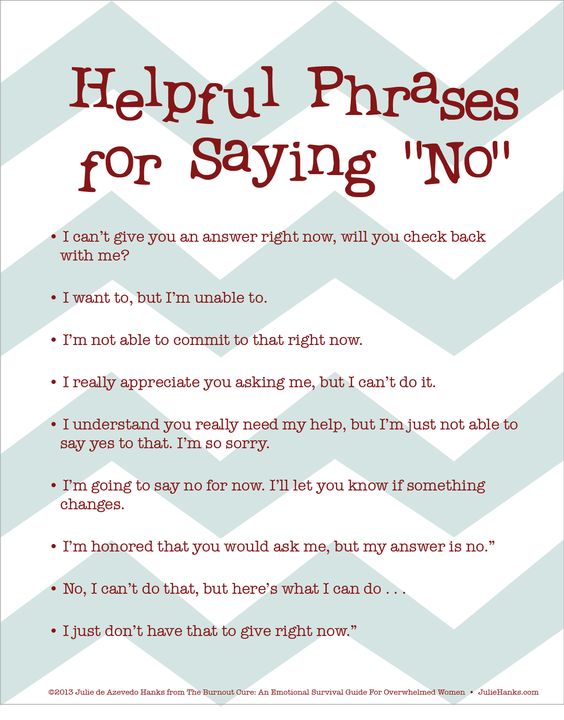
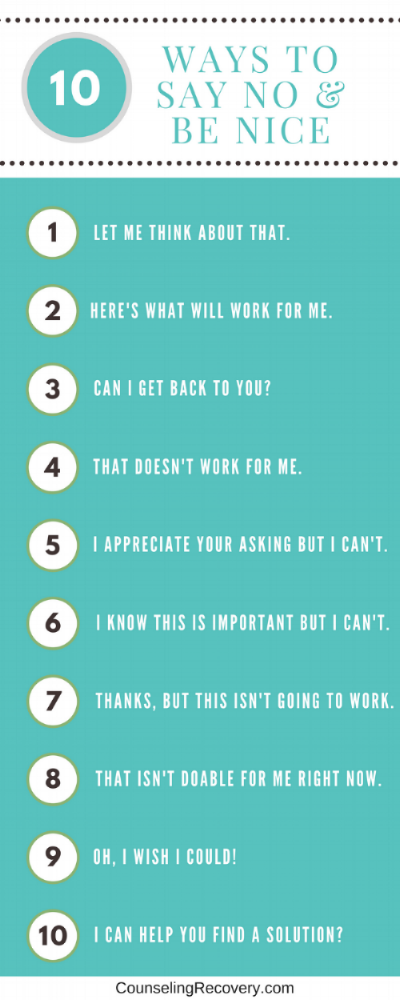
2. Know your limits, and don’t overdo it. It is also necessary to push your limits now and then, for meaningful, healthy reasons and people. It may be uncomfortable, but this discomfort is how personal growth happens. An important note to remember: just because you are “free” or want to be at home, doesn’t mean people are entitled to your time and peace. See above for polite ways to say “No.” Or you can simply say: “Thank you for the invite, but I need a quiet night at home tonight.” Or “I would love to, but I am long overdue for some ‘me time.'” Include an offer for a raincheck. For example: “I would love to get together for ______ on (provide some alternate days/times that work for you).”
3. Cancel plans when necessary. I’m sure we all try our best to show up for our people, especially with important things. But life happens. Sometimes shit comes up. Whether it’s a chronic illness (mental or physical) that’s kicking your butt, or perhaps you’ve found yourself over-committing again. Whatever the case may be, sometimes cancelling is necessary. Once again, this is not a justification for being an asshole…which means be honest, and don’t flippin’ ghost people. Ambivalent friends are the worst.
However, don’t feel obligated to over-share or over-explain. Only share what you are comfortable with sharing or is appropriate to share about what is going on. This could be as simple as: “I’m sorry, but I’m dealing with some difficult things right now.” Even if you trust the person or people enough to share details, you don’t have to feel pressured to do so in the moment.

Here are some general rules of thumb for cancelling plans:
- Consider how you will feel after having gone before cancelling. This can be helpful in avoiding cancelling merely because of anxiety, depression, or a sudden sense of ennui. I often feel better having gone, showing up for my people, and trying to enjoy myself, rather than making no effort at all, which can make one feel worse. Many times, putting in the effort and being around other people actually makes me feel better when I’m super anxious or down. Also, consider committing to a shorter time period or leaving early in lieu of cancelling. I have had friends do that, and I was grateful to have their company for a little while rather than not at all.
- Cancel in as far in advance as possible.
- Do it in person or call instead of text, if possible. However, texting is still far better than just blowing someone off.
- Apologize and express your disappointment over having to break plans.
- If you have no particular reason, don’t make something up. Instead, you can simply say: “I’m sorry, but unfortunately I’m not going to be able to make it after all.”
- Offer alternative dates to get together. If you cancel, the responsibility to reach out for the next meetup is on you.
- Do NOT make a habit of it, especially last-minute cancellations.
- If you must cancel, make it a point not to cancel the next time or two.
- If it’s a situation where someone has made reservations and/or bought tickets, food, etc., offer to repay them the amount they spent on you. If that is not possible, offer their favorite coffee or bottle of wine, or some other meaningful, friendly gesture.
- Step out of your comfort zone sometimes, but on your terms. If you never push yourself to grow and become comfortable with (or at least not terrified of) more stuff, you’ll always be uncomfortable and/or terrified of that growing list of things. We want that list to shrink, or at least be balanced.
- Stick to your schedules and routines, but don’t strangle yourself with them. We introverts find comfort in knowing what to expect, the rhythm of our lives is music to our ears. On the contrary, feel free to change it up sometimes, be spontaneous…this also helps with individual growth.
- You don’t have to control everything all the time. Many things, you never actually had control of, because you can’t control them. Learn to be ok with that, deary.
- Let people in. This one is really hard for me. I have seen the dark sides of humanity too many times. The fact remains, I need friends, just like everyone else. However, you don’t have to swing the door open all the way. Start by opening it just a crack, to see what’s out there. Feel free to open it little by little, as that person earns your trust. Hopefully by the time it’s all the way open, you have pants on. Or the other person is such a good friend that they don’t mind if you forget you’re not wearing any.
- Find your quiet spaces you can run to when the world gets too loud. Whether that is wearing noise-canceling headphones, going to a park, the library, a coffee shop during non-peak hours, etc. Collect as many quiet, safe places as you can muster.
- Pay attention to who stresses you out or makes you feel uncomfortable and why. Analyze and reflect on that. If it is healthy and/or productive discomfort, that person may be helping you grow. If it isn’t, and the person is valuable to you, tell them how you feel and what specific behaviors of theirs are leading you to feel that way. Be sure to express that the continuation of the friendship is your goal, and you value and respect them enough to discuss this.
10. Last but not least, being assertive is a necessary survival skill. This is not the same as being aggressive or passive aggressive. Psychology today defines assertiveness as follows:
“Assertiveness is a social skill that relies heavily on effective communication while simultaneously respecting the thoughts and wishes of others. People who are assertive clearly and respectfully communicate their wants, needs, positions, and boundaries to others… They are open to both compliments and constructive criticism.”
This one can be particularly hard for victims of child abuse, those who have been victimized as an adult, or just difficult for women in general. I say this as an introverted woman with severe PTSD. Often times these days I see more aggressive, passive-aggressive, and passive women than assertive. I know it has been a difficult skill for me to navigate, and I’m still not proficient at it. Though I am improving over time, and I hope we can learn and grow on that together. Our society will certainly be much better off for our efforts.

In any case, we are some complicated beings. Life is complex, hard, and messy. But it is also so fucking beautiful, and the world has a number of beautiful souls in it. Many times, it can feel extra hard for us strangelings and neurotics to attain happiness, joy, or contentment, and that’s ok. It is still a worthwhile goal, because we deserve to experience those things too. Yet, it is not impossible…even if it feels like it sometimes.

 Musecal Mind