Veteran Stories and Resources

A Veteran’s Transition Story

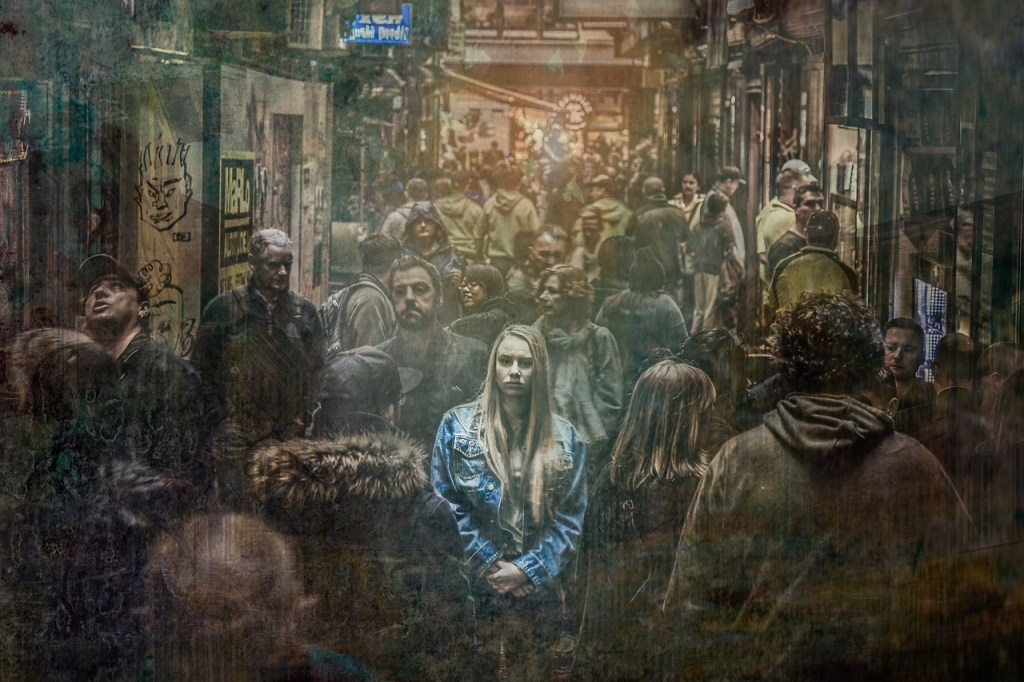
Image by centaur60 from Pixabay

Some seasons of life leave your head spinning. You may feel lost, out of touch, in the dark…feeling as if you will never find a way forward. This is how I’ve felt since leaving the military behind. I know it was the right choice for me, but it doesn’t mean it was an easy one to make.

After that major life change, I lost my sense of purpose, and a significant portion of my identity. I would have loved to jump right into another career, apprenticeship, or on-the-job training, but fate had other plans. About halfway through my med board, I found out I was pregnant with our daughter.

Thus, before I could find my (employment-related) sense of purpose again, I was heading toward a second major life change, becoming a mother. No employer in their right mind is going to spend resources training a pregnant woman, much less employ them. So, I focused on preparing myself for parenthood (as much as anyone can) and taking college classes.

Image by Gerd Altmann from Pixabay

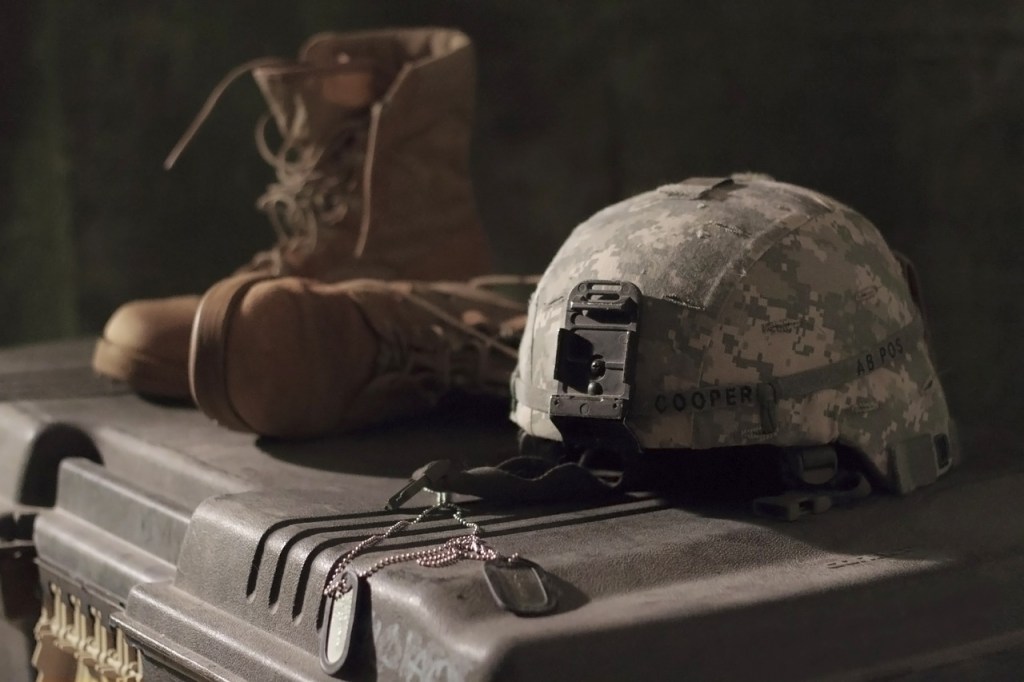
The third (consecutive) major life change, was switching hats from being active duty/dual military, serving alongside my husband, to being a military spouse. I thought it would be easy, having been on the other side of things.

I was surprised to find that it wasn’t. I had a lot to learn, now having to handle a multitude of things that are taken care of (or decided for you) when you are a servicemember.

More than that, I suddenly felt like I didn’t fit in anywhere. I wasn’t a soldier anymore, I wasn’t a regular civilian; I was a female veteran struggling with severe PTSD. At the time I didn’t feel like I could fit in with, relate to, or trust any male veterans with PTSD because mine is not combat-related. I felt like an outcast, a misfit. I felt alone.
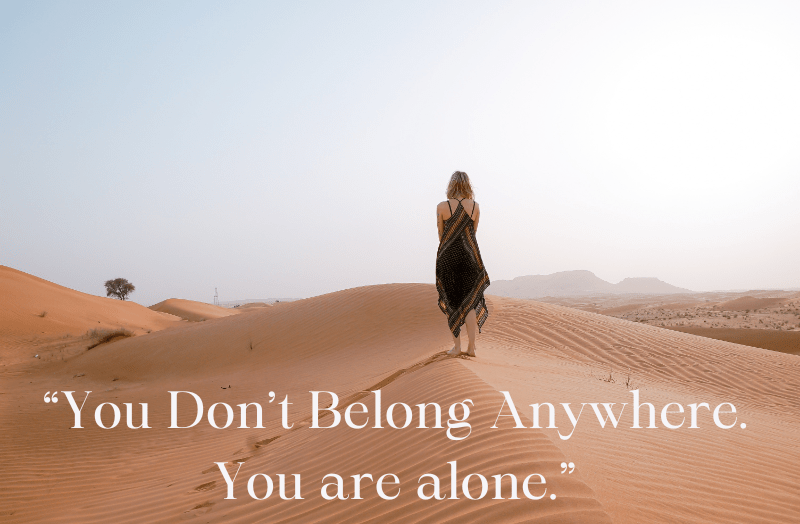
A few months later, when I brought our daughter into the world, I had little to no community, no strong network of other moms around me. I was the only female in my last unit (and I did feel a bit ostracized because of it), and I didn’t really know any other military spouses. All of my family were hundreds of miles away.

My “village” consisted of one friend that I met through the Army pregnancy PT program. She got out around the same time as me, but she didn’t stick around, and I can’t say I blame her.

Upon looking around and seeing no family and only dead ends for jobs, she left the area shortly after, returning home to Wisconsin. Being married, I didn’t have that choice unless I didn’t want to see my spouse for however long.

Just six weeks later, I unexpectedly lost my mother for major life change number 4. If I didn’t feel lost, confused, and despondent before, I definitely did following that tragedy.

When my husband received unaccompanied orders to Korea, we moved to Oregon to be near my husband’s family. I couldn’t bear returning home with my infant daughter with my mom being gone, passing away before even getting to hold her.
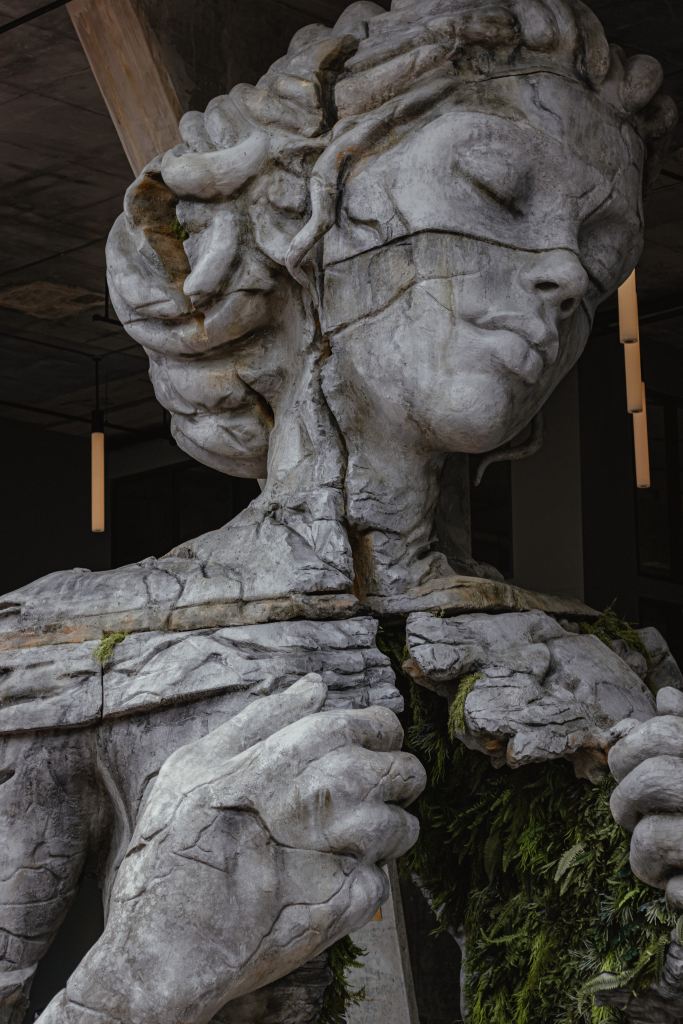
Photo by Marianna Smiley on Unsplash

This time in my life was really damn hard. Learning to be a mother while simultaneously grieving the loss of my own mother felt like being torn in two, but I did my best. I pivoted to focusing on fitness and nutrition. After getting some measure of the healthcare I needed to manage my disabilities, I returned to school.

I did that for a while, desperately trying to fill the void of a sense of purpose with it (and not succumb to my depression). That is until it became too difficult to be a student, a struggling disabled veteran, and my own caseworker/patient advocate, whilst also looking after our infant daughter. While I am grateful for the support network I found there, it was not nearly as strong and vast as I needed it to be.

Despite it all, I nearly achieved an associate’s degree, had it not been for the college level math credit requirement. Advanced math (i.e. algebra) has never been a natural inclination of mine, and I hadn’t done Algebra since high school. The advisor said I needed 3 refresher courses first before I could take the class that would earn me the credit I needed.
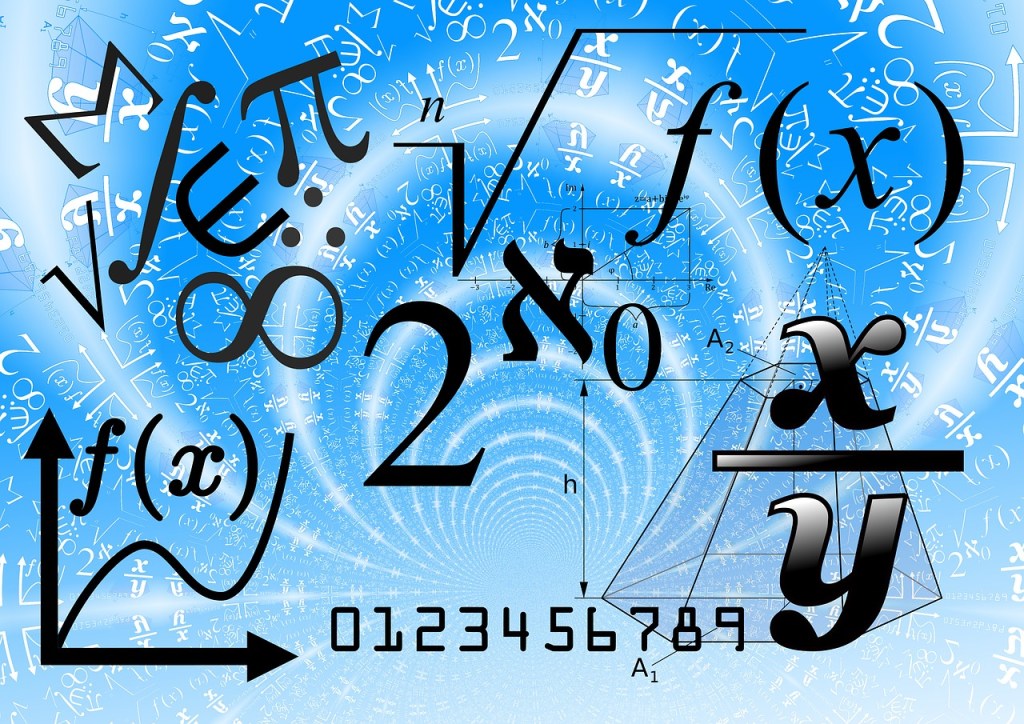
Image by Gerd Altmann from Pixabay

With everything else I was going through, I simply didn’t have the necessary time or energy to take that on. Consequently, I put that goal aside. In hindsight, I doubt I was aware of resources that may have been available to me through the VA or the state that could’ve helped me during that time.

Maybe I should have tried harder to find them. Maybe all I could do during that time was survive. Just keep putting one foot in front of the other. Just hang on, keep telling myself it will eventually get better. Looking back now, I haven’t the foggiest idea as to how I made it through that difficult chapter of my life.

Fast forward about nine years and many cross-country moves later, my husband is finally retired, and we are finally done with that life. This prompted the sudden, unexpected realization that I never fully transitioned to civilian life when I got out all those years ago.

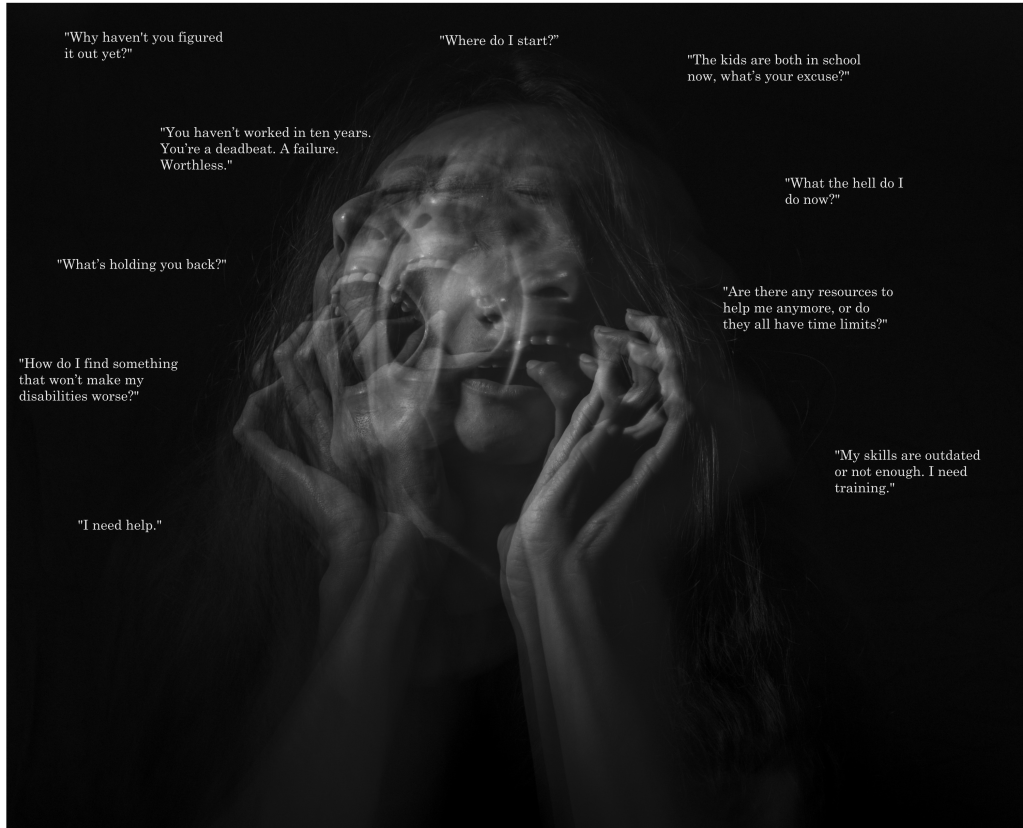
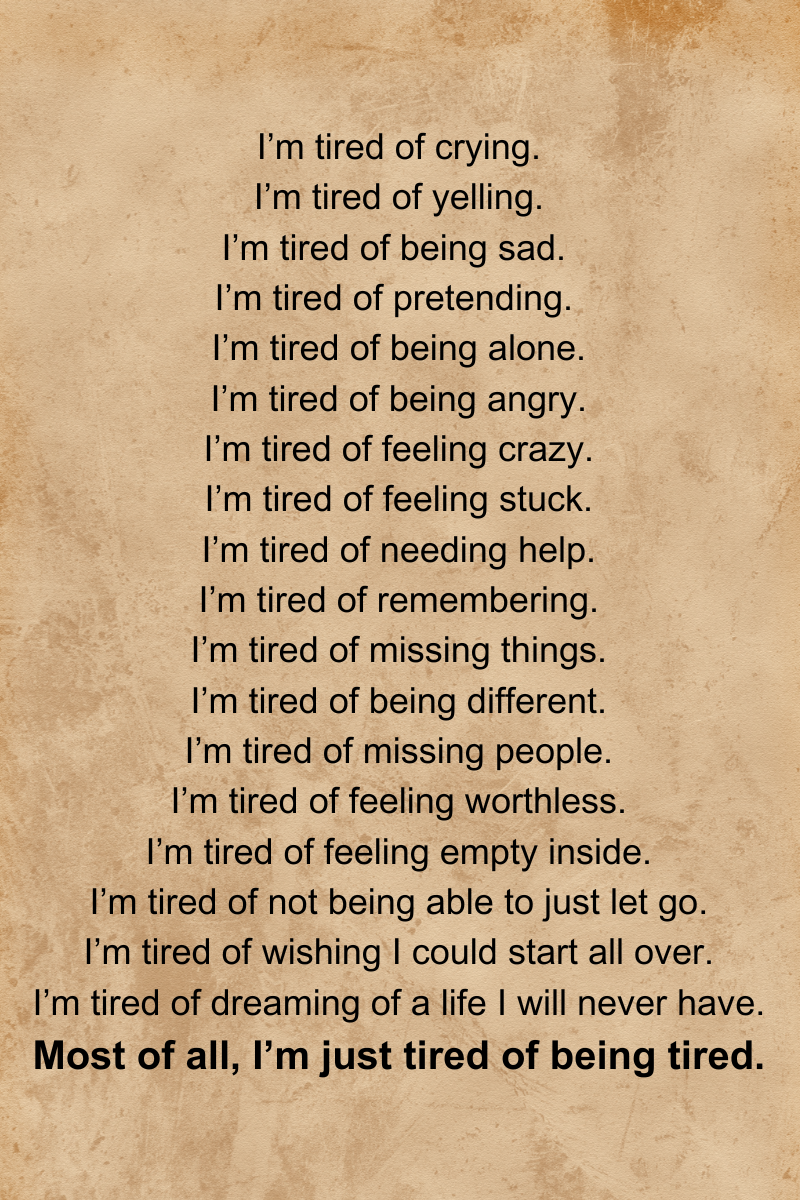
Having immediately became a military spouse after I got out, I wasn’t able to truly leave that life behind until he was out too. As a result, all of it came crashing down on my head all over again, at full capacity this time. My head was reeling with all the things I was juggling and struggling with. My mind a constant swirl of questions and dark thoughts:
Original photo by Camila Quintero Franco on Unsplash. Words by Jen H @ Musecalmind.com

I love my kids more than anything on the planet and I have no regrets about having them. Still, part of me will always feel a tad discontent about not being able to take advantage of those “transitioning service member” opportunities right away. For as I’ve discovered, there seems to be a lot more resources and opportunities for transitioning service members than there are for veterans later on down the road.

There’s this wry feeling about those opportunities just being gone if you aren’t able to take advantage of them right away. It feels a bit like a raw deal. The reality is, not every veteran gets to “transition” right away. Not every veteran can obtain sustainable employment right away.

Not every veteran can utilize the resources available to them right away, be it lack of awareness, lack of availability, struggling with their disabilities, trying to figure out where to call home, or trying to identify future employment goals. Answering those last two questions is often a complicated process. We’ll touch more on that later.   
Photo by Zach Guinta on Unsplash

More importantly, where are the programs to help people like me? Female veterans, who are pregnant on the way out, and/or chose to raise a family first? How do I find a way back to decent employment, a path forward? Where is the light in the dark?

Between juggling VA claims and compensation, navigating a new medical system that kind of works with Tricare but not really, learning to manage your disabilities is tough. Particularly if you have more than one disability, particularly in more than one category.

Have you ever struggled with staying afloat in your mind, when nothing you try seems to make it better, and struggling with different types of pain at the same time? It is an absolute shit-show. It takes time, sometimes years, to figure out. Especially if you’re also a military spouse, still moving every 1-3 years, starting over with new providers each time.

Then there’s learning how to be a good parent, without family or a community to guide you. All the while trying to find a decent job or search for a new career path. These endeavors also made harder by frequent moves.

Every time it feels as though you’ve settled, and you’ve caught your breath long enough to figure all of that out, you’re uprooting again. Don’t get me wrong, all of traveling and adventures we did (mostly) on the federal government’s dime were also awesome.

We got to see some amazing places we probably wouldn’t have otherwise, met some great people, and made some unforgettable memories. We also found a few areas we definitely did not want to settle in when we were done. But that lifestyle is definitely not for the faint of heart.

However, after that chapter is over, there’s trying to figure out where the heck you belong in the world now.

  • Where can you get the support and sense of community you need?
  • Where is good for your kids?
  • Where do you want to live? Where does your spouse want to live?
  • In terms of a support network, which family members are still alive? Do you have friends back home anymore?

Even after answering those questions, and moving to the location you think is right, you may find that it isn’t after all. You may come to realize that it takes a couple of moves to find your place in the world. After completing that phase, the question then becomes what the hell do I do now? Take a knee? Obviously. Then what? What’s next?

Go back to school for something? Obtain a certification? Find an apprenticeship? An internship? What job opportunities are close by? Do I have enough experience? What usable skills do I have at this point in my life?

Trying to get back into it after a long employment gap is tough. Especially if you feel like a busted-up vet with severe PTSD who feels as though they can’t handle jack shit. That’s where I’m at.

I feel alone in my struggle a lot, though I know I’m not. I’ve never been the “popular type” of person, and there are scores of people I would never want to see or ask anything from again. Many more than I can say I actually liked and felt as though I could count on.

By Unknown Artist.

I know I will figure it out. I know I will never give up. All the shit I have been through is enough to shock therapists who’ve seen/heard it all. Having survived all of that, and with all of the effort I have put into growing and trying my best to be a decent person, I know I deserve to lead a happy, balanced, and satisfying life.

Most of those components have fallen into place. The last piece of the puzzle for me is finding decent employment. I’m still searching for my path forward, a direction. I’ve never been one of those people that knew exactly what they wanted to be when they grew up. And that reality effing sucks sometimes. I have often wished I was one of those lucky people.

Anyhow, I have been told that my story is unique, though I doubt that I am the only one who has or is currently walking this path. One of the people who’ve told me that, is my friend Manda. She inspired me to tell my story. Maybe there’s many more out there like me, whose struggles differ from the masses, and available resources fall short of our needs.

The Veterans Affairs has figured out women veterans’ healthcare needs are unique and different from our male counterparts. The fact is, so are our struggles in the employment and education sectors. Simply because we are the ones blessed with the ability to carry and birth our children.

Maybe it will help if we are talking about these particular struggles more, even if it isn’t the norm. While the majority of veterans are men, the number of women veterans is growing.

Hence, it makes sense to make these topics more mainstream. Even if that number wasn’t growing, we are still here, and we still matter. We deserve to have our needs met too.
Originally by Unknown artist, recreated by Jen H. @musecalmind

Not to mention, the one thing that hasn’t changed is that childcare usually falls to us women to figure out. Finding safe, dependable, and affordable childcare is still a nightmare in 2024. Not to mention, the challenge of finding family-friendly employment after staying home for a while to raise our children.

My final thoughts include a sincere hope that discussing these issues more often helps. I hope that it inspires more employers to step forward with opportunities for us just the same as if we were still transitioning out of the service. I would love to see policy amendments, like changes to the 2018 Farm bill that states (as of the writing of this article) veterans are only entitled to veteran farmer benefits for 10 years post-service.

Our veteran status does not expire. Neither should our access to benefits and resources that can help us find a way forward, and help us not give up hope. Sometimes it takes longer than we would like for the dust to settle, for the right path forward to become clear. Those resources should still be there for us when we do.

How about you reader? Do some of my struggles echo ones you have experienced? Please comment below. Are you a veteran with a transition story you would like to share? Please feel free to email me and with your permission, I will gladly share your story. We are here, we matter, and we are not alone.

Mental Health & Wellness · Uncategorized

Human Beans are Just Complicated Plants

Human beans (I LOVE the story BFG by Roald Dahl) are akin to complicated plants. We have many of the same basic needs: food, air, water, sunshine, a safe, healthy place to put down roots, and shelter when it’s too crazy outside. We have many of the same problems too…getting disturbed by pests, being eaten, or trampled on by wild animals, diseases, and having too much or too little of our basic needs. We too, experience shock when transplanted (especially unexpectedly), and others are always needing and/or taking things from us. The list goes on and on. We must withstand it all, so we can bloom like the beautiful, imperfect, freaky flowers that we are.

Photo by Karsten Winegeart on Unsplash

What makes human beans complicated, though, is that we also possess the ability to think, and to feel to indescribable depths. We have a constant flow of thoughts, going in all different directions, and can feel many different emotions at once. Sometimes we feel opposing ones simultaneously. That is the average human being. If you are introverted, chances are, you overthink quite a bit. The possibility that you are also an empath multiplies, further complicating things.

What is an empath? Empaths are people who feel things to a greater intensity than others, even sensing others’ moods. The definition of an empath from Oxford languages makes us sound superhuman: “…a person with the paranormal ability to apprehend the mental or emotional state of another individual.” I view this ability as both a gift and a curse. I can tell you from personal experience that being an empath is often exhausting.

Then, if you (like me) also struggle with mental health issues, it’s enough to make you feel as though you are being ripped the fuck apart all the time. Then we are put in a world built for extroverted, neuro-normal people, which is constantly and rapidly changing, and chock full of contradictions. The Joker (2019) said it best: “The worst part about having mental illness is the world expects you to behave as if you don’t.”

Image by Josh Clifford from Pixabay

So how the hell do we cope? How do we function? How do we thrive? The answer is, you guessed it, complicated. Or at least much of the common advice is. Say yes to more things, so no to more things. Do something productive or fun, be still and do nothing. Get outside and soak up some vitamin D but be careful not to get so much you give yourself skin cancer. Try these pills, but they might make things worse. Or if you’re living with both anxiety and depression (Hi! Welcome to the club!), your anxiety pills can increase your depression and/or cause suicidal ideations, whilst your depression pills might make you more anxious.

Image by Hasty Words from Pixabay

Spend time with friends or family, but don’t forget to take time for yourself. Catch up on sleep, don’t sleep too much. Get more exercise in, but not so much you muck up your period or injure yourself. Find a pleasant distraction, practice mindfulness…be in the here and now. Try to relax…yay, another paradox. Declutter: life is a constant barrage of emails, to-do lists, material stuff, commitments, etc. Sure, it’s great that there are many modern-day resources to help with this sort of thing, but the myriad of those resources can feel overwhelming at times.

There are online support groups, some decent, far too many full of drama. Then there’s in-person support groups, which may not meet at times that work for your schedule or turn out to be unproductive griping sessions. Moreover, how many times have you heard: “There’s an app for that” Or “Have you tried this app?” Before you know it, you have roughly 100 apps on your phone, many of them bogged down with bugs, ads, viruses, etc. Thus, defeating the purpose of focusing on the task at hand and retaining the motivation to complete said task. Subsequently, incomplete tasks increase anxiety and depression, rinse and repeat. This has been much of my experience.

Image by Grae Dickason from Pixabay

In any case, the truth is, the world doesn’t just need the “life of the party” types, or the neuro-normal people. It needs you, too…the quiet, weird, quirky, introverted, neuro-divergent ones. The neurotic, the empaths, the ones struggling to get through the day. The ones who help in quiet, meaningful ways. That could mean quietly being there for a friend, without expecting anything in return, spreading kindness with small, selfless acts, or producing a piece of art that speaks to people. Something that touches their soul…and imparts something they didn’t even know they needed.

In fact, I feel that some of the most picturesque, meaningful pieces of art were produced by people in those categories…think Edgar Allan Poe, Van Gogh, Edvard Munch, Georgia O’Keefe, Edgar Degas, Sylvia Plath, Ernest Hemingway, Virginia Woolf, the list goes on. Then there is modern day depression and anxiety art, which includes some of the most excruciatingly beautiful creations I have ever gazed upon. This piece, entitled “Lies” by AkiraKirai on Deviant Art, breathtakingly illustrates the tormented reality of mental health battles.

https://www.deviantart.com/akirakirai/art/lies-282588460

Still, in the life-long quest of attaining happiness, I have learned a few tactics and skills to help myself as an overly complicated, introverted plant in an extroverted garden, and likewise, increase my well-being:

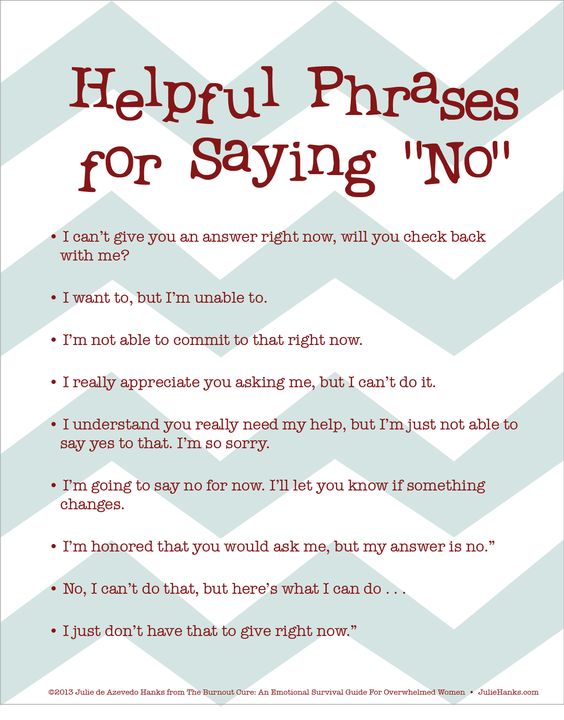
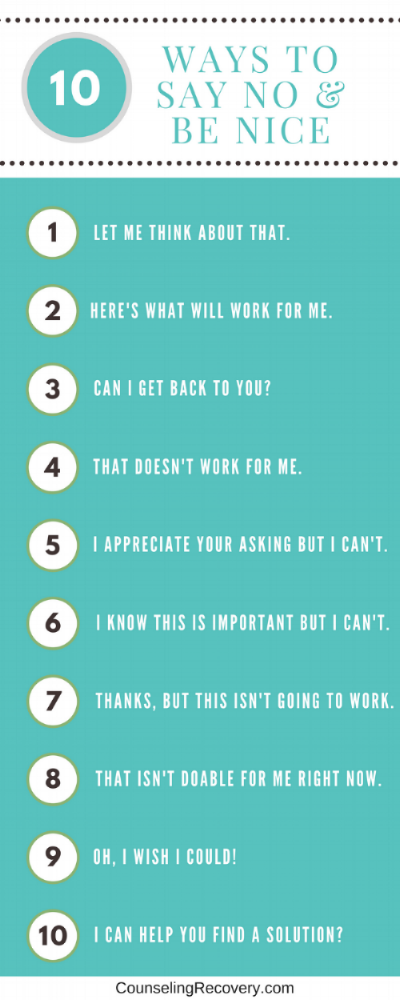
  1. Learn to say “No,” and not feel bad about it! Unless you’re being an asshole. Don’t be an asshole. Here are some polite ways to say “No”:

2. Know your limits, and don’t overdo it. It is also necessary to push your limits now and then, for meaningful, healthy reasons and people. It may be uncomfortable, but this discomfort is how personal growth happens. An important note to remember: just because you are “free” or want to be at home, doesn’t mean people are entitled to your time and peace. See above for polite ways to say “No.” Or you can simply say: “Thank you for the invite, but I need a quiet night at home tonight.” Or “I would love to, but I am long overdue for some ‘me time.'” Include an offer for a raincheck. For example: “I would love to get together for ______ on (provide some alternate days/times that work for you).”

3. Cancel plans when necessary. I’m sure we all try our best to show up for our people, especially with important things. But life happens. Sometimes shit comes up. Whether it’s a chronic illness (mental or physical) that’s kicking your butt, or perhaps you’ve found yourself over-committing again. Whatever the case may be, sometimes cancelling is necessary. Once again, this is not a justification for being an asshole…which means be honest, and don’t flippin’ ghost people. Ambivalent friends are the worst.

However, don’t feel obligated to over-share or over-explain. Only share what you are comfortable with sharing or is appropriate to share about what is going on. This could be as simple as: “I’m sorry, but I’m dealing with some difficult things right now.” Even if you trust the person or people enough to share details, you don’t have to feel pressured to do so in the moment.

Image by Pexels from Pixabay

Here are some general rules of thumb for cancelling plans:

  • Consider how you will feel after having gone before cancelling. This can be helpful in avoiding cancelling merely because of anxiety, depression, or a sudden sense of ennui. I often feel better having gone, showing up for my people, and trying to enjoy myself, rather than making no effort at all, which can make one feel worse. Many times, putting in the effort and being around other people actually makes me feel better when I’m super anxious or down. Also, consider committing to a shorter time period or leaving early in lieu of cancelling. I have had friends do that, and I was grateful to have their company for a little while rather than not at all.
  • Cancel in as far in advance as possible.
  • Do it in person or call instead of text, if possible. However, texting is still far better than just blowing someone off.
  • Apologize and express your disappointment over having to break plans.
  • If you have no particular reason, don’t make something up. Instead, you can simply say: “I’m sorry, but unfortunately I’m not going to be able to make it after all.”
  • Offer alternative dates to get together. If you cancel, the responsibility to reach out for the next meetup is on you.
  • Do NOT make a habit of it, especially last-minute cancellations.
  • If you must cancel, make it a point not to cancel the next time or two.
  • If it’s a situation where someone has made reservations and/or bought tickets, food, etc., offer to repay them the amount they spent on you. If that is not possible, offer their favorite coffee or bottle of wine, or some other meaningful, friendly gesture.
  1. Step out of your comfort zone sometimes, but on your terms. If you never push yourself to grow and become comfortable with (or at least not terrified of) more stuff, you’ll always be uncomfortable and/or terrified of that growing list of things. We want that list to shrink, or at least be balanced.
  2. Stick to your schedules and routines, but don’t strangle yourself with them. We introverts find comfort in knowing what to expect, the rhythm of our lives is music to our ears. On the contrary, feel free to change it up sometimes, be spontaneous…this also helps with individual growth.
  3. You don’t have to control everything all the time. Many things, you never actually had control of, because you can’t control them. Learn to be ok with that, deary.
  4. Let people in. This one is really hard for me. I have seen the dark sides of humanity too many times. The fact remains, I need friends, just like everyone else. However, you don’t have to swing the door open all the way. Start by opening it just a crack, to see what’s out there. Feel free to open it little by little, as that person earns your trust. Hopefully by the time it’s all the way open, you have pants on. Or the other person is such a good friend that they don’t mind if you forget you’re not wearing any.
  5. Find your quiet spaces you can run to when the world gets too loud. Whether that is wearing noise-canceling headphones, going to a park, the library, a coffee shop during non-peak hours, etc. Collect as many quiet, safe places as you can muster.
  6. Pay attention to who stresses you out or makes you feel uncomfortable and why. Analyze and reflect on that. If it is healthy and/or productive discomfort, that person may be helping you grow. If it isn’t, and the person is valuable to you, tell them how you feel and what specific behaviors of theirs are leading you to feel that way. Be sure to express that the continuation of the friendship is your goal, and you value and respect them enough to discuss this.

10. Last but not least, being assertive is a necessary survival skill. This is not the same as being aggressive or passive aggressive. Psychology today defines assertiveness as follows:

“Assertiveness is a social skill that relies heavily on effective communication while simultaneously respecting the thoughts and wishes of others. People who are assertive clearly and respectfully communicate their wants, needs, positions, and boundaries to others… They are open to both compliments and constructive criticism.”

This one can be particularly hard for victims of child abuse, those who have been victimized as an adult, or just difficult for women in general. I say this as an introverted woman with severe PTSD. Often times these days I see more aggressive, passive-aggressive, and passive women than assertive. I know it has been a difficult skill for me to navigate, and I’m still not proficient at it. Though I am improving over time, and I hope we can learn and grow on that together. Our society will certainly be much better off for our efforts.

Image by Jill Wellington from Pixabay

In any case, we are some complicated beings. Life is complex, hard, and messy. But it is also so fucking beautiful, and the world has a number of beautiful souls in it. Many times, it can feel extra hard for us strangelings and neurotics to attain happiness, joy, or contentment, and that’s ok. It is still a worthwhile goal, because we deserve to experience those things too. Yet, it is not impossible…even if it feels like it sometimes.